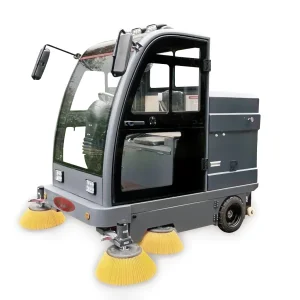
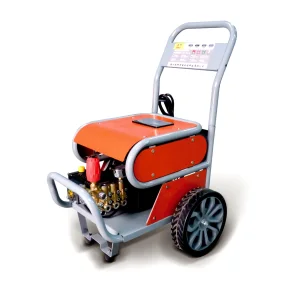
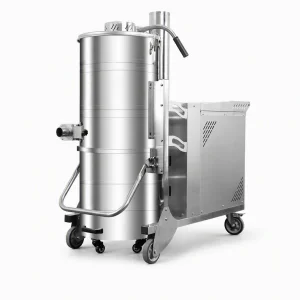
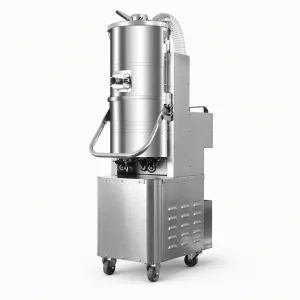
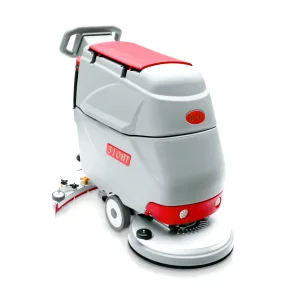
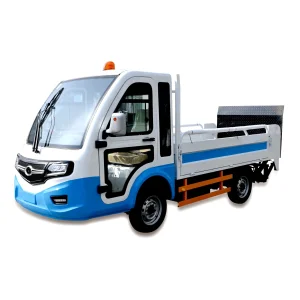
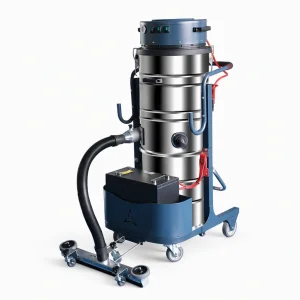
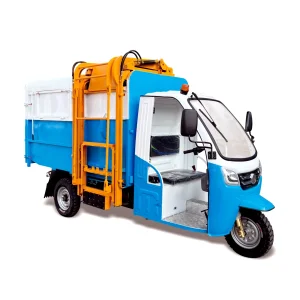
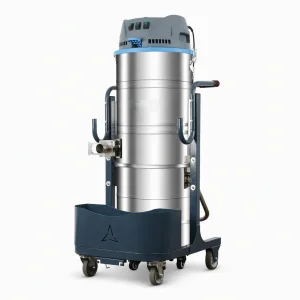
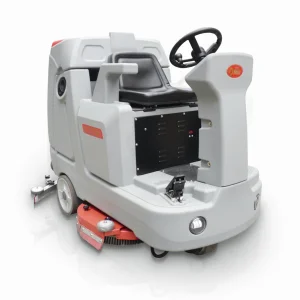
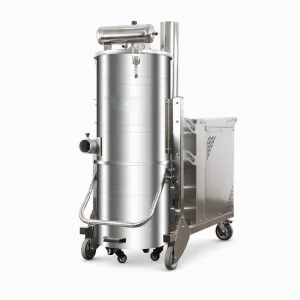
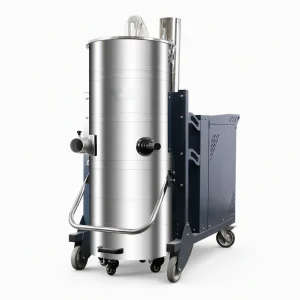
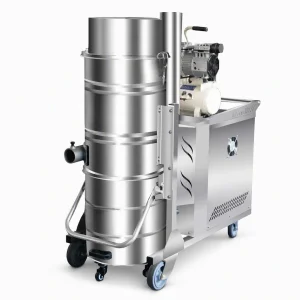
Explore our heavy-duty commercial sweeper units, industrial extraction stations, and utility sanitization platforms calibrated for continuous harsh operations.
Industrial surface maintenance has undergone a paradigm shift. Modern manufacturing complexes, mega-distribution centers, and multimodal transit hubs now demand continuous, high-efficiency sanitation technologies to meet rigorous occupational safety, environmental compliance, and worker health standards. As an internationally certified wholesale ride on industrial sweeper manufacturer and supplier, DIKE delivers engineering solutions that replace labor-intensive manual sweeping and low-efficiency pedestrian sweepers with heavy-duty, zero-emission ride on platforms.
The operational necessity of deploying industrial sweepers stems from three critical operational constraints: regulatory mandates surrounding respirable crystalline silica (such as OSHA 29 CFR 1910.1053 and EU occupational exposure guidelines), the exponential rise in commercial warehouse square footage, and the urgent economic requirement to lower Total Cost of Ownership (TCO). In massive facility environments exceeding 15,000 square meters, walk-behind sweepers create ergonomic strain and require prohibitive labor allocations. A high-capacity ride on industrial sweeping machine addresses this challenge directly, delivering sweeping paths up to 1,900 mm and hourly coverage rates ranging from 8,000 to over 18,000 square meters per operating shift.
Beyond sweeping path width, sweeping technology focuses heavily on airborne particulate mitigation. Traditional broom sweepers often cause secondary dust clouds, redepositing fine particulates onto sensitive assembly lines, automated storage systems, and packaged freight. Our heavy-duty ride on sweepers integrate synchronized dual mist-nozzle sprayers, sealed main broom chambers with negative-pressure air channels, and high-efficiency PTFE synthetic cartridge filters with automated mechanical or reverse-pulse blowback shaking mechanisms. This closed-loop containment system captures particulates down to 0.3 microns, maintaining cleaner air and protecting warehouse inventory.
Procurement directors and commercial supply-chain heads evaluate industrial sweepers through a rigorous total lifecycle framework. Initial capital expenditure (CapEx) accounts for a modest fraction of long-term machine operation; the decisive metrics are daily reliability, component lifecycle durability, maintenance accessibility, and consumable component pricing. When specifying a ride-on sweeper fleet for multi-location industrial sites, global engineering executives consistently emphasize four foundational procurement requirements:
1. Structural Durability and Corrosion Resilience: Industrial environments expose floor sweepers to abrasive slurry, heavy metallic debris, caustic moisture, and frequent collision hazards against pallet racking. Our sweeper chassis structures utilize robotically welded, high-tensile steel frames with electro-deposited primer coats and industrial powder finishes. Key body components incorporate rotational molded high-density polyethylene (HDPE), providing superior impact elasticity without the cracking or denting common in conventional sheet metal bodies.
2. Powertrain Efficiency & Battery Chemistry: Commercial cleaning equipment has migrated rapidly away from internal combustion engines toward clean, quiet electric propulsion. DIKE leads this transition by offering dual powertrain architectures: maintenance-free AGM lead-acid battery packs for budget-conscious procurement, and automotive-grade Lithium Iron Phosphate (LiFePO4) battery packs for demanding 24/7 round-the-clock operations. Our integrated Battery Management Systems (BMS) safeguard cell balance, prevent thermal runaway, and support opportunity charging during shift breaks, extending machine productivity without degrading battery service life.
3. Ergonomic Operation and Fail-Safe Driver Interface: High personnel turnover within contracted cleaning teams creates operational risks when equipment controls are convoluted. Our cockpit designs feature single-touch operational presets, ergonomic adjustable seating with operator presence sensors, tilt steering columns, clear LED diagnostics, and panoramic sightlines. By standardizing control layouts across both compact and fully enclosed cab configurations, operators require minimal training to operate machines safely around warehouse pedestrians and material handling equipment.
4. Hydraulic Hoppers & Ergonomic Waste Evacuation: Hand-dump hoppers present musculoskeletal injury risks and increase shift downtime. DIKE ride-on sweeping platforms incorporate electro-hydraulic dump hoppers capable of elevating up to 1.5 meters to discharge heavy debris directly into commercial roll-off dumpsters, compactors, and municipal waste skips, eliminating manual handling completely.
Modular brush assemblies, self-compensating belt drives, and standardized wear parts lower ongoing maintenance expenses by up to 34% compared to legacy competitors.
Industrial lithium configurations allow rapid top-off charging, granting 6 to 8 hours of sweeping uptime per single 2-hour high-amperage charge cycle.
Standardized cylindrical brooms, side brush motors, drive transaxles, and controller electronics accelerate distributor turnaround times worldwide.
Engineered to neutralize aggressive contaminants, respirable particulate matter, and heavy mechanical debris across diverse facility environments.
High-torque drive transaxles, high-density wire-composite brooms, and heat-resistant hopper shields collect stamping scrap, slag, and heavy metal turnings without system clogging.
Wide-sweep footprints up to 1,900 mm sweep warehouse racking aisles in single passes, collecting wood splinters, plastic stretch wrap debris, and concrete dust while suppressing ambient dust clouds.
Fully enclosed, climate-controlled operator cabs provide all-weather continuous tarmac sweeping, perimeter debris clearance, parking structure maintenance, and curbside sanitation.
| Sweeper Platform Class | Effective Sweeping Path | Max Sweeping Efficiency | Hopper Capacity / Discharge | Recommended Deployment Environment |
|---|---|---|---|---|
| Compact Ride-On Sweeper | 1,200 mm – 1,400 mm | 7,500 – 9,800 m²/h | 80L – 120L / Manual Lever Dump | Commercial basements, multi-tier car parks, light assembly facilities |
| Mid-Capacity Ride-On Sweeper | 1,400 mm – 1,750 mm | 10,500 – 14,000 m²/h | 130L – 180L / Semi-Hydraulic Lift | E-commerce fulfillment centers, packaging lines, ceramic & glass plants |
| Heavy Enclosed Cab Sweeper | 1,800 mm – 2,100 mm | 14,000 – 19,500 m²/h | 200L – 350L / 1.5m High Dump | Mining yards, steel mills, seaport dry-cargo docks, intermodal railheads |
| Autonomous Sweeping Drone | 1,100 mm – 1,500 mm | 5,500 – 8,000 m²/h | 70L – 100L / Docking Auto-Dump | High-frequency daily cleaning at airports, transit hubs, cleanroom perimeters |
B2B import compliance requires verified manufacturing protocols and thorough regulatory documentation. DIKE operates an ISO 9001:2015 certified production complex in Wenzhou, China, where all ride on industrial sweeping machines and associated industrial cleaning lines are tested against stringent electromagnetic compatibility (EMC), low voltage directives (LVD), and international machinery safety standards.
For European and North American machinery distributors, our sweepers are supplied with complete CE Technical Construction Files, RoHS substance reports, and electrical integration conforming to EN 60335-2-72 (requirements for automatic machines for floor treatment for commercial and industrial use). On the power supply side, our high-frequency smart chargers can be configured at the factory for single-phase 110V/60Hz, 230V/50Hz, or three-phase configurations to suit diverse regional grids.
Our OEM and ODM partnerships provide distributors with private-label manufacturing, custom corporate paint finishes, localized multilingual digital touchscreens (English, Spanish, German, French, Arabic, and Russian), and container-optimized SKD/CKD packaging schemes that maximize ocean freight efficiency. With regional service representation, including our dedicated team in India, international distributors receive timely technical support, warranty spare parts air shipments within 48 hours, and comprehensive digital parts manuals.
Industrial facility cleaning is moving swiftly into digital, connected operations. DIKE's technical development plan bridges traditional operator-driven ride-on machines and emerging autonomous robotic sanitation platforms through two major technological initiatives:
Cloud Telematics & Predictive Maintenance: Modern DIKE sweepers can be integrated with 4G/GPS telematics modules that continuously transmit machine telemetry to facility operations managers. Real-time data streams include brush pressure settings, filter differential pressure, battery discharge state, total run hours, and geofenced operating zones. Predictive algorithms detect motor current fluctuations early, notifying distributors of scheduled brush replacements or filter maintenance before unplanned breakdowns disrupt facility cleaning schedules.
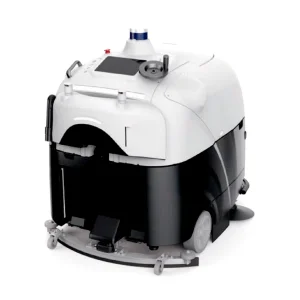
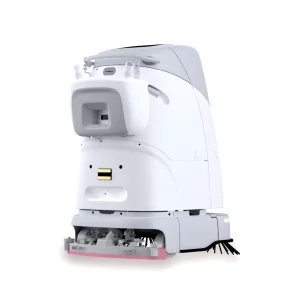
Autonomous SLAM Navigation Platforms: For repetitive, high-security facilities where access by cleaning contractors is restricted, DIKE engineers have developed autonomous driverless sweepers and scrubbers, including our SC50S and SC80S platforms. Utilizing multi-sensor fusion comprising solid-state LiDAR, ultrasonic proximity sensors, and 3D depth cameras, these autonomous platforms generate real-time 3D spatial maps of facilities, adjust travel speeds to navigate around forklifts, and automatically return to docking stations for water replenishment, debris unloading, and battery recharging.
Essential guidance for equipment dealers, corporate facilities directors, and B2B buyers evaluating commercial floor maintenance equipment.
An industrial ride on sweeper utilizes counter-rotating side brooms and a horizontal cylindrical main broom to sweep dry debris, rocks, pallet splinters, and particulate dust directly into a waste hopper via dry mechanical capture and air filtration. A ride-on scrubber is a wet cleaning machine that applies water and detergent, agitates the surface with disc or roller brushes, and immediately recovers dirty liquid with a squeegee vacuum system. For heavy dust environments like foundries, distribution logistics yards, and construction complexes, sweeping loose dry dirt first is essential to prevent slurry clogs in scrubber vacuum systems.
Our heavy ride-on sweeper platforms employ multi-stage dust control architecture: pneumatic side water spray nozzles suppress surface dust at the perimeter brooms, followed by a sealed negative-pressure suction channel that draws airborne particles through a high-surface-area PTFE-coated polyester cartridge filter. This filter captures 99.8% of fine dust down to 0.3 microns, meeting OSHA respirable dust containment benchmarks and preventing airborne recirculation.
Lead-acid or AGM batteries provide an economical baseline option, offering 800 to 1,000 cycles with required 8-hour charge cycles and cooling rest periods. Lithium Iron Phosphate (LiFePO4) power plants provide over 3,000 charging cycles, accept fast opportunity charging during lunch breaks without memory effect, maintain consistent broom motor RPM regardless of discharge status, and eliminate battery watering maintenance, making them ideal for high-throughput 24/7 industrial logistics operations.
As a direct manufacturer, DIKE supports flexible MOQ starting at 1 unit for evaluation samples, with standard 20ft and 40ft high-cube ocean container shipping for volume distributors. We provide complete OEM/ODM branding services, customized RAL exterior body colors, localized digital dashboard interfaces, region-specific AC chargers, and container-optimized spare parts replenishment kits.
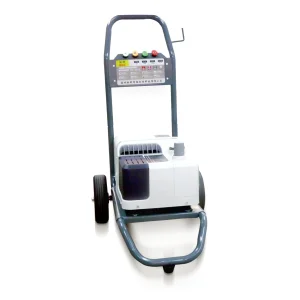
Complete your environmental maintenance fleet with continuous-duty three-phase vacuums, driverless scrubbers, and high-pressure washing systems.