Direct OEM/ODM equipment engineered for grease mitigation, wet kitchen line recovery, and commercial dining floor sanitization.
An in-depth analysis of sanitation compliance, hazard mitigation, and mechanization across international hospitality networks.
Across the global hospitality sector, sanitation standards have moved from peripheral maintenance chores to critical food-safety infrastructure governed by rigorous hazard analysis regulations (HACCP, OSHA, and EU EC 852/2004). Commercial dining enterprises, cloud kitchens, franchise chains, and corporate hospitality providers are grappling with the limitations of manual mopping. Traditional sanitation creates hazardous slip pathways, cross-contaminates organic fats, and fails to eliminate bacterial micro-reservoirs embedded in quarry tile grout lines.
Industrial restaurant vacuum cleaners—spanning specialized wet-and-dry slurry extractors, twin-tank heavy particle vacuums, and autonomous scrubbers—serve as frontline mechanical defenses. In back-of-house (BOH) zones, oil mist deposits and boiling-water grease washes generate slippery emulsions that require robust bypass motors, explosion-proof turbine systems, and chemical-resistant stainless steel recovery drums. Front-of-house (FOH) environments demand decibel control below 60 dBA, non-marking caster navigation, and multi-stage HEPA filtration to eliminate airborne allergens without disrupting the dining experience.
Unlike string mops that spread pathogens across kitchen stations, specialized commercial vacuum extractors isolate wastewater into sealed polyurethane tanks, stopping Listeria and Salmonella biofilm formation.
High-suction recovery squeegees instantly dry wet extraction corridors in quick-service restaurants (QSR), preventing slips and cuts while accelerating table turnaround during high-volume operational cycles.
Kitchen grease and chemical degreasers degrade consumer-grade vacuums within weeks. Modern restaurant-grade extractors utilize 304 stainless steel and chemical-resistant seals to ensure a multi-year equipment lifespan.
Combining integrated R&D, rotomolding engineering, and proprietary motor calibration under one certified roof.
Located in Zhejiang’s electromechanical cluster, we source high-torque bypass motors, microelectronics, and rotational molding molds within a 50 km radius, drastically lowering landed production costs.
From CAD simulation and rapid SLA prototyping to CNC chassis casting and customized brand livery, our factory delivers client-specific extraction equipment with quick turnaround times.
Every commercial wet vacuum, scrubber dryer, and extractor undergoes rigorous factory acceptance testing: 500-hour continuous motor endurance runs, hydrostatic leak assays, and electrical grounding audits.
We build export-ready units configured for regional power grids—including 110V/60Hz, 220-240V/50Hz, and heavy industrial three-phase 380V/415V systems—complete with UL, CE, and RoHS compliant switchgear.
Targeted mechanical configurations engineered for specific soil dynamics, floor textures, and operational schedules.
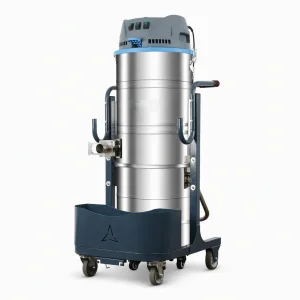
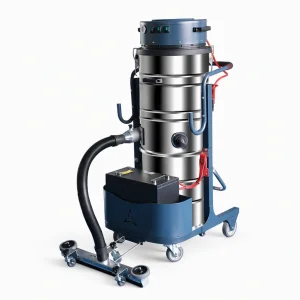
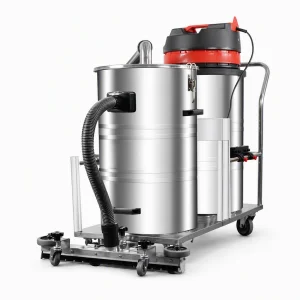
Wet-line prep stations and fryers demand twin-tank stainless extractors (such as the DK-361ECO) capable of recovering emulsified fats, water-detergent mixtures, and food scraps without clogging intake manifolds.
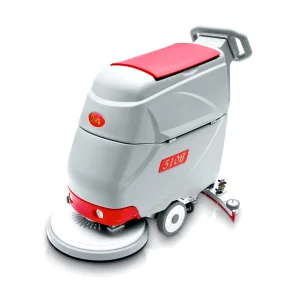
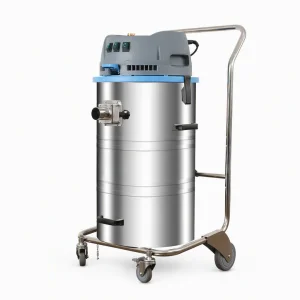
Carpeted banquettes and hardwood dining floors require ultra-quiet lithium-battery push extractors (like the DK-1810DC). Cordless maneuverability cleans around table legs without creating tripping hazards during service.
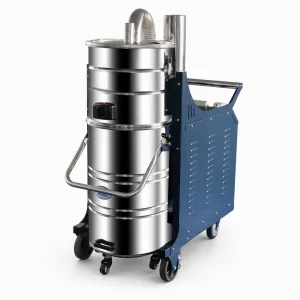
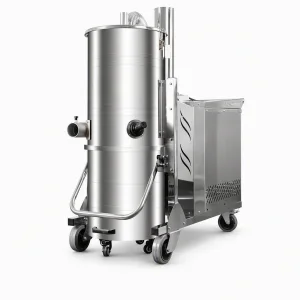
Flour dusting creates explosive airborne hazards. Our three-phase explosion-proof industrial vacuums (DK-EX) feature antistatic conductive hoses and ATEX-grade motor housings to safely neutralize combustible organic dust.
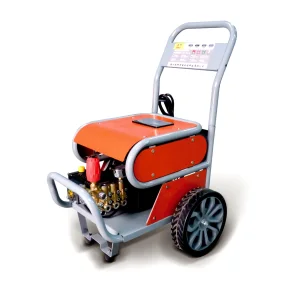
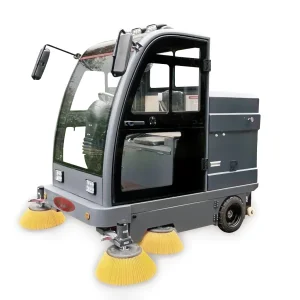
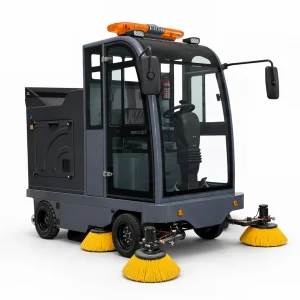
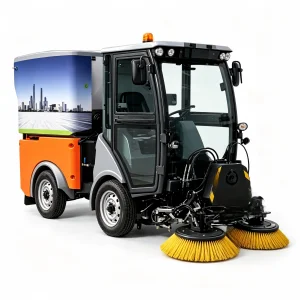
High-traffic drive-thru ramps and outdoor seating accumulate spilled beverages, greasy tire tracks, and heavy litter. We deploy high-pressure systems (DK-10.13) and compact sweepers to maintain exterior sanitation.
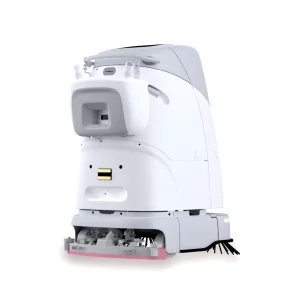
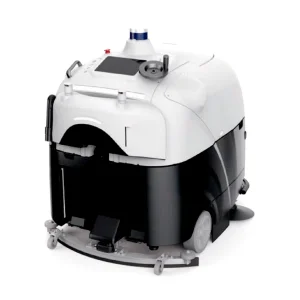
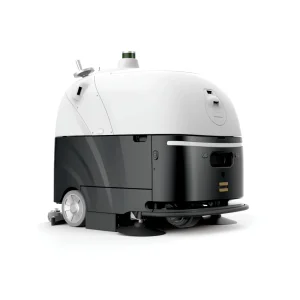
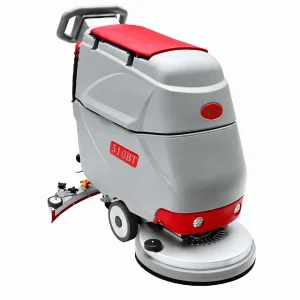
Operating 24/7 with minimal staffing, multi-brand ghost facilities rely on autonomous floor scrubbers (SC50S / SC80S) to clean shared corridors on programmed overnight routes, tracking sanitization metrics via cloud telematics.
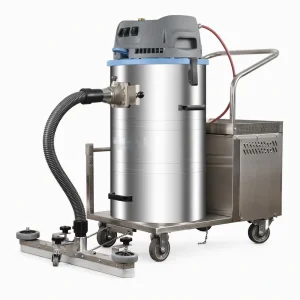
Condensation and refrigeration meltwater present persistent slip-and-fall risks. Battery push-type stainless vacuum units quickly recover low-temperature standing liquids across smooth polyurethane and epoxy screed flooring.
How automation, battery chemistry, and telemetry are reshaping commercial equipment procurement.
Hospitality venues are moving away from flooded lead-acid batteries toward drop-in Lithium-Iron-Phosphate (LiFePO4) packs. Fast opportunistic charging between dining shifts yields continuous runtimes without acid-fume hazards.
By enclosing suction turbines in sound-dampening labyrinth chambers, modern commercial extractors cut operational noise to 58–62 dBA. This allows discreet day-cleaning without interrupting ambient dining soundscapes.
Enterprise restaurant operators rely on scrubbers and extractors with integrated telematics. Automated logs verify daily runtimes, square-meter coverage, and water-draw volumes for digital health inspector audits.
Essential engineering and supply-chain parameters for hospitality distributors, franchise purchasing heads, and facility contractors.
Kitchen sludge and food-oil slurries need high static water-lift (≥2400 mm H2O) over high CFM airflow. Static pressure draws dense liquids through long vacuum wands without line stalling.
Ensure tanks use 304/316-grade stainless steel or rotational-molded high-density polyethylene (HDPE). These materials resist breakdown from citrus acids, vinegar, hot cooking oils, and heavy-duty degreasers.
Distributors benefit when squeegee blades, intake hoses, caster wheels, and motor brushes are shared across multiple model variants, reducing parts inventory overhead and simplifying client repairs.
Confirm the manufacturer supports modular power packs—from 100-120V for North American QSR chains to 220-240V for European and Middle Eastern markets—using safety-rated, oil-resistant cables.
Explosion-proof canisters, autonomous robotics, and multi-surface industrial sweepers for wide-scale hospitality venues.
Engineering responses addressing voltage compatibility, chemical resilience, maintenance cycles, and export procedures.