Direct factory procurement of certified industrial sweeping systems, heavy-duty suction platforms, and high-productivity floor maintainers.
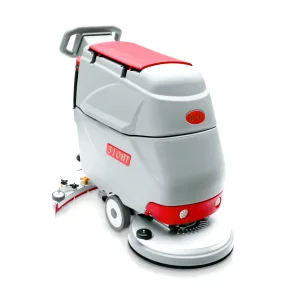
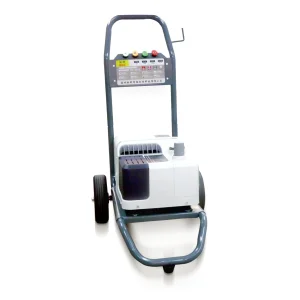
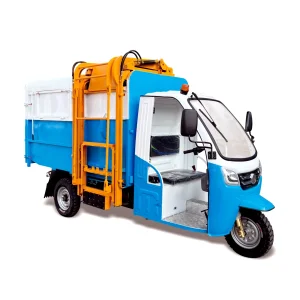
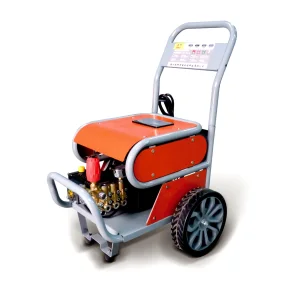
How rising international labor overheads, stringent silica dust standards (OSHA/EN), and ESG initiatives drive mechanical sweeping adoption across global logistics and manufacturing.
Manual broom sweeping yields low productivity (typically 300 to 500 m²/h per operator) with high secondary aerosol dispersion. An industrial push-behind floor sweeper increases surface clearance rates to 2,800–4,200 m²/h—an 8-fold increase in hourly coverage that offsets initial procurement capital expenditures within an average operational horizon of 90 days.
Regulatory agencies such as OSHA (29 CFR 1926.1153) and European EH40 enforce strict exposure limits on respirable crystalline silica (RCS). Modern push sweepers integrate negative-pressure suction vacuums with PTFE-coated pleated filters, arresting particles down to PM2.5 and preventing secondary resuspension common to manual broom operation.
Decarbonization frameworks demand clean power inside confined logistics facilities. Push-behind sweepers eliminate internal combustion emissions through maintenance-free AGM or high-cycle LiFePO4 battery platforms, delivering silent operation (<68 dB(A)) suitable for day-cleaning inside pharmaceutical, precision electronic, and food distribution centers.
A breakdown of brush rotation mechanics, multi-stage particle filtration, rotomolded housing, and electric drivetrain topologies engineered for industrial reliability.
Commercial push sweepers employ an overthrow kinematic model. Side disc brushes with angled chevron bristles rotate inward to direct perimeter debris into the path of a central cylindrical main broom. The central broom rotates contra-directionally to the machine's travel, lifting gravel, metal swarf, and fine particulates over an internal ramp into the top-loading hopper. This configuration ensures volumetric bin fill efficiency above 90%, avoiding the front bulldoze effect typical of direct-throw systems.
The air displaced inside the hopper during debris loading must exit without venting micro-dust into the environment. Our vacuum turbine draws 280 m³/h through an expansive panel or cartridge filter (2.5 to 4.0 m² surface area). To prevent blinding from fine silica or drywall dust, an integrated motorized electromagnetic shaker vibrates the pleated media at high frequencies, dislodging the dust cake back into the hopper without operator intervention.
Unlike sheet-metal housings that dent, corrode, or warp under impact, our factory employs stress-free rotational molding using high-density cross-linked polyethylene. This achieves seamless, chemical-resistant, and impact-absorbing bodies capable of enduring direct warehouse bollard collisions while keeping gross machine weight optimized for ergonomic walk-behind pushing.
| Engineering Parameter | Standard Manual Model | Heavy-Duty Battery Series |
|---|---|---|
| Cleaning Path Width | 680 mm – 800 mm | 920 mm – 1,050 mm |
| Theoretical Coverage | 2,200 – 2,800 m²/h | 3,800 – 4,500 m²/h |
| Hopper Capacity | 35 L – 45 L | 55 L – 70 L Quick-Release |
| Filtration Media | Washable Non-woven Polyester | PTFE Membrane / HEPA (H13) |
| Filter Area & Cleaning | 1.5 m² (Manual Lever) | 3.5 m² (Electric Auto-Shaker) |
| Traction Drive | Manual Operator Push | Differential BLDC Motor (Self-Propelled) |
| Power Plant | Kinetic Gear Driven | 24V 100Ah Deep-Cycle Lithium / AGM |
| Chassis Construction | High-Impact ABS | Rotomolded Double-Wall LLDPE |
Evaluating Capital Expenditure against Operating Lifecycles, Wear-Part Logistics, and Preventive Maintenance Cycles.
Wholesale unit cost represents only 15% to 22% of a machine's 5-year lifecycle expense. Savvy B2B procurement managers assess the underlying grade of wear components: pure nylon 6.6 bristle brushes outlast cheap polypropylene bristles 3:1; sealed stainless-steel bearings eliminate downtime caused by moisture ingress during high-pressure washdowns.
Traditional AGM/Gel batteries require 8–10 hours of charging and degrade after 500–800 cycles. Lithium Iron Phosphate (LiFePO4) systems provide 2,500+ cycles at 80% Depth of Discharge (DoD), support opportunistic 1-hour fast charging between shifts, reduce battery weight by 60%, and eliminate distilled water top-up labor, reducing total energy costs by 28%.
Managing fleets across multiple logistics sites requires modular spare parts. Our factory standardizes drive belts, squeegee blades, filter gaskets, and brush drive gears across both walk-behind and ride-on lines. This design reduces distributors' warehouse stock requirements and enables maintenance teams to replace wear parts in under 15 minutes.
Cost/m² = (Labor Hourly Rate + Machine Deprec. + Consumable Wear) / Hourly Cleaned Area. By elevating cleaned area from 400 m² to 3,500 m², cost per square meter drops by up to 74%.
Engineered with quick-release side-pin hubs, allowing operators to reverse or swap main and side brushes in under 90 seconds without specialized shop tools, preventing uneven brush wear.
Vibration-damped, multi-angle adjustable push handles align with ISO 5349-1 hand-arm vibration standards, minimizing worker compensation claims and operator fatigue across extended shifts.
Customizing brush stiffness, vacuum filtration ratings, and chassis configurations for diverse commercial and industrial environments.
Operating Conditions: High-density pallet racking, continuous forklift traffic, dropped shrink-wrap, wood splinters, and airborne dust.
Configured Solution: Self-propelled walk-behind sweeping units with wide-track non-marking polyurethane rear tires, high-torque side brushes to pull debris out from beneath rack edges, and anti-static poly/wire blend main brooms that resist entanglement with plastic stretch film.
Operating Conditions: Ferrous metal shavings, abrasive grinding dust, cooling oil residues, and concrete floor joints.
Configured Solution: Heavy-gauge reinforced steel subframes, oil-resistant rubber skirts, heavy-duty oil-impervious collection bins, and secondary cyclonic pre-separators that prevent hot metal chips from scorching the main pleated polyester filter media.
Operating Conditions: Strict hygiene, micro-dust thresholds, zero chemical residue, and moisture-prone floors.
Configured Solution: IP54-rated sealed drive motors, antimicrobial hopper coatings, H13-certified HEPA exhaust filters capturing 99.97% of particulates down to 0.3 microns, and whisper-quiet motors operating below 64 dB(A) for continuous operation during active production runs.
Operating Conditions: Steep entry ramps, coarse asphalt, quartz-sand abrasive grit, and continuous pedestrian movement.
Configured Solution: High-traction drive motors with hill-holding electronic braking (up to 16% grade climb capability), dual side-sweeping brooms providing a 1,000mm sweep path, and front atomized water-mist nozzles to bind volatile surface dust before contact.
How our Wenzhou manufacturing center supports international brands, wholesale distributors, and government tenders through certified build standards.
Every commercial machine complies with EU Machinery Directive 2006/42/EC, Low Voltage Directive 2014/35/EU, and EMC Directive 2014/30/EU. We maintain factory ISO 9001:2015 quality management and ISO 14001 environmental safety certifications, supplying full test dossiers for customs and tender bid filings.
We provide full white-label manufacturing: custom LLDPE rotational color molding, custom silk-screened distributor branding, localized control panel languages, and regional voltage matching (110V/220V/240V, 50/60Hz) with region-specific charging plugs (Type C, G, I, or NEMA).
To reduce international ocean freight surcharges, we offer Semi-Knocked-Down (SKD) and Completely-Knocked-Down (CKD) packing formats. Designed with stackable steel crate matrices, our packaging increases 40ft HQ container loading capacity by up to 140% compared to standard wooden crate shipments.
The evolutionary trajectory of intelligent cleaning: from mechanical assist to telematics-enabled, autonomous hybrid platforms.
Integration of 4G/GPS telematics chips reporting real-time battery health (SoC), cleaned square meters, brush motor current load, and predictive fault notifications directly to facility operations dashboards.
Eliminating traditional wear-prone belts, pulleys, and brush carbon brushes. Direct-drive BLDC hub motors inside the wheels and main cylinder increase power transfer efficiency to 92% while operating near silently.
Forward-facing proximity sensors with automated electronic braking stop the sweeper automatically when pedestrians, vehicles, or low overhead pallet obstacles enter its path inside active logistics environments.
Dual-mode capability enabling manual walk-behind operation for tight spot cleaning, alongside automated LiDAR-guided route following for wide aisles during night-shift warehouse operations.
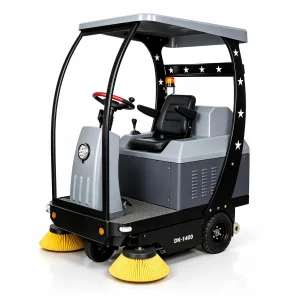
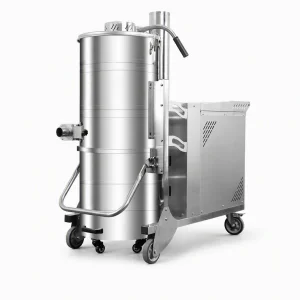
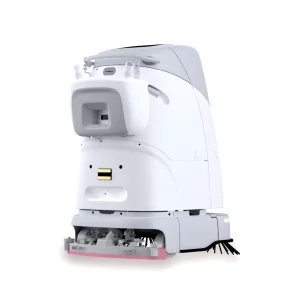
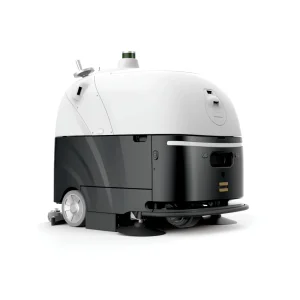
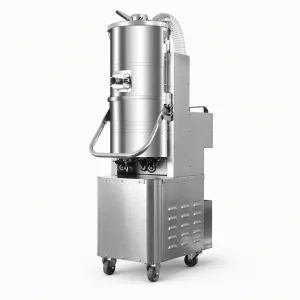
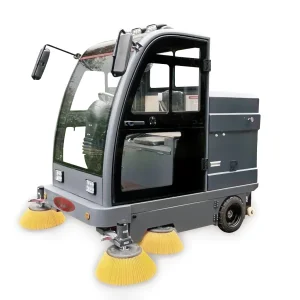
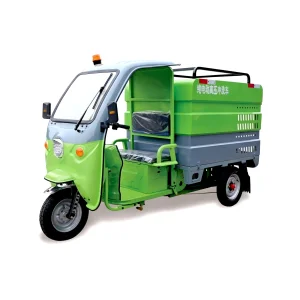
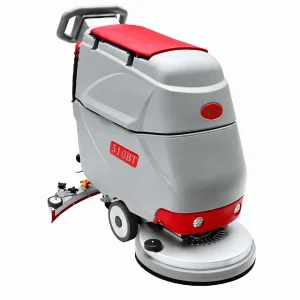
Complete your facility cleaning arsenal with driverless scrubber systems, ride-on sweepers, pharmaceutical-grade vacuums, and municipal cleaning equipment.
In-depth technical answers addressing operational mechanics, maintenance intervals, and wholesale logistics.
A push-behind floor sweeper is an overthrow dry-debris system engineered to collect loose bulk solids, gravel, dust, wood splinters, and metal shavings into an internal hopper using counter-rotating dry brushes and negative pressure vacuum filtration. Conversely, a walk-behind floor scrubber uses liquid solution injection, rotating abrasive pads to dissolve adhered grease and grime, and a rear parabolic squeegee with a vacuum recovery motor to dry wet floors. For optimal facility maintenance, sweepers collect loose solids first, preventing abrasive slurry from clogging scrubbers and prematurely damaging squeegee blades.
Battery-powered models feature a dedicated 12V or 24V electric vacuum suction fan connected to the main broom compartment. When the cylindrical broom throws particulate upward, the negative pressure pulls airborne dust across a high-efficiency polyester or PTFE pleated panel filter (efficiency rated at 99.2% for PM2.5). This prevents the dust cloud typical of manual sweeping. An internal motorized electromagnetic shaker knocks trapped dust off the filter pleats and back into the hopper at the flip of a switch or automated cycle shutdown.
Our push sweepers work across sealed or unsealed industrial concrete, epoxy resin coatings, terrazzo, polyurethane screeds, interlocking pavers, ceramic tiles, and asphalt. Brush selection determines performance: soft poly bristles protect polished and epoxy finishes from dulling scratches; mixed poly-steel wire brooms dislodge stubborn foundry sand, compacted mud, and metal chips from outdoor ramps and rough asphalt yards.
Under daily 3-hour operation on standard smooth epoxy concrete, high-density Nylon/Poly main cylindrical brooms provide a working life of 400 to 600 operational hours. Side disc brushes typically last 300 to 450 hours depending on operator down-pressure settings. Washable pleated polyester filters last approximately 12 months with daily shaker cleaning and monthly warm-water rinses, significantly lowering annual operating consumables costs.
Standard manual push sweepers can clean inclines up to 5% without excessive operator fatigue. Our battery-driven self-propelled units feature differential transaxle motors capable of navigating climbing angles up to 16% (9 degrees). Ground clearances are engineered to cross standard warehouse seismic joints, expansion plates, and dock leveler lips without bottoming out the hopper or damaging side-skirt seals.
For standard branded production models, our baseline OEM MOQ starts at 5 units. Full customized private labeling (bespoke LLDPE color matching, customized control labels, and branded packaging) requires a minimum 20ft container shipment (~28–42 units depending on model size). Typical factory production lead time is 15 to 22 business days from deposit confirmation, supported by our stock of pre-molded chassis and motor components.
We provide a comprehensive 12-month structural and powertrain warranty covering drive motors, transaxles, battery controllers, and structural frames. With every container shipment, our factory provides a critical spare parts package (switches, relays, belt sets, and motor brushes) calculated at 2% to 3% of order value. For urgent regional replacement parts, air shipments dispatch within 24 hours of notification from our central parts hub.
We offer three factory configurations: (1) Machine-only without batteries for buyers who procure local industrial batteries; (2) Maintenance-Free Deep Cycle AGM/Gel batteries with UN38.3 test certificates and MSDS for air/ocean freight compliance; (3) High-cycle LiFePO4 packs with intelligent Battery Management Systems (BMS), CE certification, and active cell balancing, providing fast charging and longer operational life.
Submit your site parameters (square meters, surface type, soil composition, and target delivery port). Our technical team will return a customized fleet recommendation, complete CAD dimensional models, and wholesale CIF pricing within 24 business hours.