Explore precision-engineered mechanical surface hygiene equipment engineered for severe manufacturing duty, cross-dock logistics, and high-traffic institutional environments.
Examining how high-throughput logistics, strict occupational health regulations, and mechanical scrub-and-dry systems have redefined surface decontamination standards worldwide.
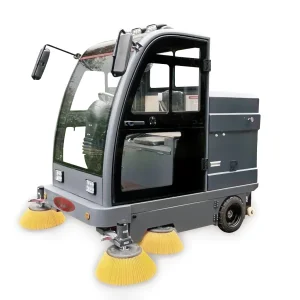
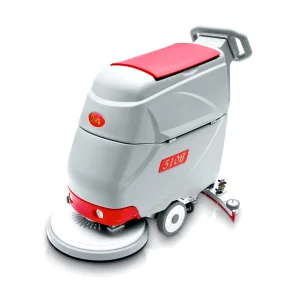
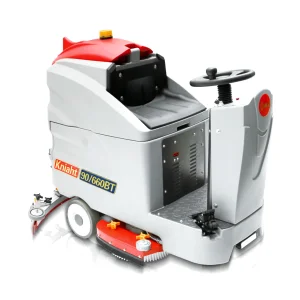
The global cleaning equipment industry has permanently decoupled from legacy manual techniques. Industrial facilities exceeding 5,000 square meters can no longer tolerate the cross-contamination hazards, labor-intensive cycles, and long drying windows characteristic of traditional cleaning. Modern ride-on scrubber dryers combine high-torque brush agitation with immediate vacuum squeegee recovery, producing walk-dry surfaces in a single pass.
Rising global labor rates and workforce shortages have positioned ride-on scrubbers as essential capital investments. Compared with walk-behind units, a single ride-on operator can clean up to 6,500 m²/h, cutting labor hours per clean by 65%. Ergonomic seating, low-effort steering consoles, and digital diagnostics minimize operator fatigue during extended production shifts.
Tier-1 manufacturing plants utilize computerized dosing, lithium-ion battery arrays, and brush down-pressure controls to preserve floor substrates. Proper mechanical water metering prevents liquid seepage into expansion joints, protects resinous floor coatings, and lowers chemical expenditures by up to 38% annually.
Enterprise procurement specialists scrutinize five critical sub-assemblies to verify longevity, serviceability, and consistent hygienic yield across high-hour duty cycles.
Industrial ride-on scrubbers feature counter-rotating brush decks engineered with sealed planetary gearboxes. Continuous actuators calibrate ground down-pressure from 35 kg to 90 kg, allowing dynamic switching between gentle showroom tile scrubbing and aggressive industrial degreasing on rough concrete.
Aerodynamic V-shape or parabolic squeegees track machine turning radii without leaving puddle trails. Coupled with three-stage bypass vacuum motors generating 18 kPa+ water lift, surfaces dry within 45 seconds, meeting strict OSHA slip-fall prevention mandates.
While sealed AGM lead-acid batteries remain budget-friendly, tier-1 fleets rely on Lithium Iron Phosphate (LiFePO4) packs. These deliver 3,000+ deep discharge cycles, support opportunistic fast charging during 30-minute shift breaks, and eliminate toxic off-gassing and battery-watering routines.
Cross-linked high-density polyethylene (XLPE) tanks withstand industrial solvents and impacts. Independent clean-solution and wastewater compartments incorporate anti-foam mechanical floats and debris baskets, protecting vacuum turbines from dirty sludge carryover.
A systematic framework for facility executives to evaluate floor types, contamination profiles, and operational parameters before issuing volume tenders.
| Facility Category | Predominant Soil Profile | Key Operational Friction | Recommended Machine Configuration | Engineering Benefit |
|---|---|---|---|---|
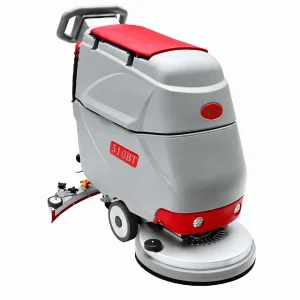
| E-Commerce & 3PL Logistics | Cardboard fibers, tire scuffs, pallet grit | High forklift traffic, 24/7 run schedules | Heavy-Duty Ride-On (KNIAHT 1020BT Class) | Dual-cylinder pre-sweeping roller deck, 110L+ tank capacity, Li-ion continuous run. |
| Automotive & Machine Tooling | Cutting emulsions, motor oil, metal shavings | Extreme slip hazards, solvent chemical attack | Variable Down-Pressure Scrubber + Oil-Resistant PU Squeegee | Polyurethane oil-resistant blades eliminate swelling; 80kg down-pressure cuts hardened grease. |
| Food & Beverage Processing | Organic residues, sugar syrups, proteins | Strict HACCP audits, bacterial colonization | Clean-In-Place Dual Tank + Antibacterial Polyethylene | Full-drain accessible recovery tanks prevent biofilm; metered chemical sanitization keeps floors compliant. |
| Healthcare & Pharmaceutical | Fine particulate matter, chemical disinfectants | Acoustic sensitivity, cleanroom thresholds | Low-dBA Walk-Behind / Compact Ride-On + HEPA Vac | Eco-mode operation under 58 dBA enables silent daytime sanitization; non-marking rubber tires protect vinyl. |
| Commercial Retail & Aviation | Spilled liquids, tracked soil, light grease | Tight pedestrian corridors, aesthetic demands | Micro Ride-On Scrubber (KNIAHT 90/660BT Class) | Tight turning radius under 1.6m navigates supermarket checkouts, escalators, and departure gates. |
Supplying multinational distributor networks requires rigorous regulatory certifications, modular power standardizations, and dependable post-sale wear-parts distribution.
Export equipment complies with the CE Machinery Directive (2006/42/EC), Low Voltage Directive (LVD), and Electromagnetic Compatibility (EMC) regulations. Battery systems carry UN38.3 transport certifications, UL listings, and IEC 62133 compliance to streamline overseas customs clearance and insurance acceptance.
Onboard and external charging platforms support wide-range inputs from 100V to 240V (50/60Hz). Factory configurations include NEMA, Schuko, UK 3-pin, and AS/NZS electrical connectors, eliminating regional compatibility issues for international distributors.
Standardized components across model lines minimize spare-parts inventory overhead. Polyurethane squeegee blades, center-lock drive plates, filters, and vacuum motors feature quick-release mechanisms, simplifying field swaps for regional service teams.
From connected telematics to driverless SLAM robotics: tracking key technological milestones driving the next decade of commercial floor sanitation equipment.
Cellular and Wi-Fi modules stream battery state-of-health, water consumption, run hours, and error codes in real time, supporting predictive maintenance and route validation.
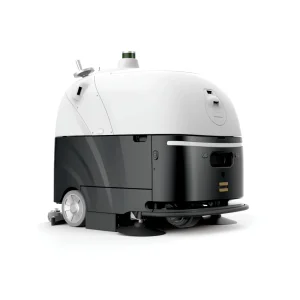
Dual-mode scrubber platforms support both manual ride-on operation for quick spot work and autonomous path navigation for long, repetitive warehouse shifts.
3D LiDAR, stereoscopic depth cameras, and ultrasonic sensors combine to track moving warehouse vehicles, avoid sudden obstacles, and clean dynamic aisles without human input.
Automated docking stations empty wastewater, refill filtered solution, dose chemicals, and recharge lithium batteries via induction, enabling true 24/7 hands-free operation.
Addressing the critical engineering, warranty, battery integration, and supply chain questions raised by international distributors and corporate procurement teams.
Modern export-grade manufacturing plants use identical supply chains for core components: Italian-engineered AMETEK vacuum motors, Curtis drive controllers, Malish brushes, and premium Linatex squeegee rubber. Matched with ISO 9001-certified assembly and 100% wet-testing of hydraulic and vacuum seals, build quality meets or exceeds high-duty international benchmarks.
LiFePO4 lithium batteries provide up to a 95% depth of discharge (DoD) without voltage drop, compared to 50% for standard AGM lead-acid cells. Lithium batteries charge to 80% capacity within 60–90 minutes, weigh 60% less, operate across 3,000+ full cycles, and eliminate hazardous off-gas venting and acid top-up routines.
As a rule of thumb, facilities with more than 3,500 square meters of open or semi-open floor area achieve full capital payback within 4 to 8 months by transitioning to a ride-on scrubber. The 2x–3x increase in cleaning speed per hour offsets machine acquisition costs through lower labor hours, while delivering superior down-pressure and faster drying times.
Full OEM partnerships include custom UV-stabilized rotomolded body panel colors, silk-screened distributor branding, customized digital controller firmware, multi-language user manuals, and regional charging plugs, backed by container-level wear-parts replenishment bundles.
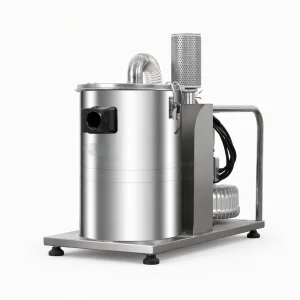
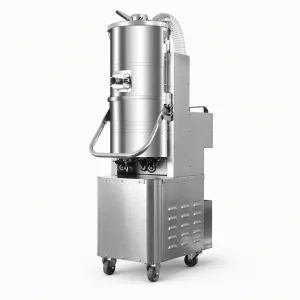
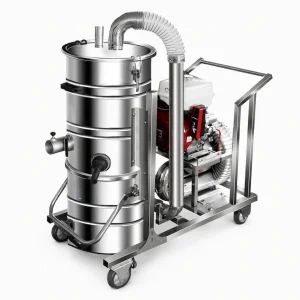
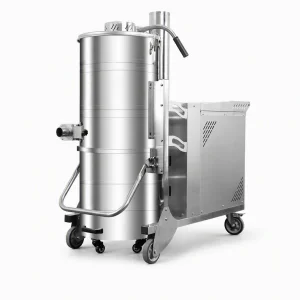
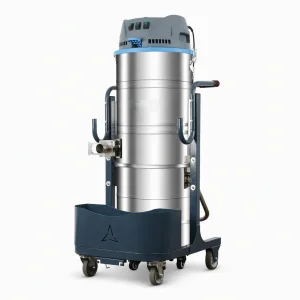
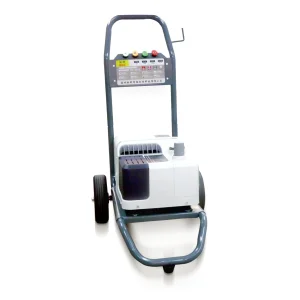
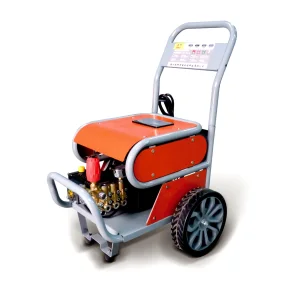
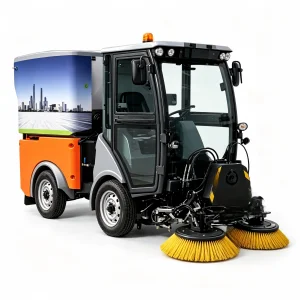
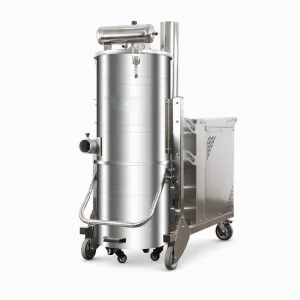
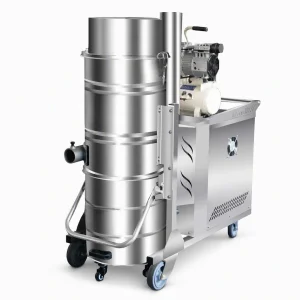
Explore heavy-duty three-phase vacuums, industrial pressure washers, ride-on sweepers, and specialized surface decontamination systems built for challenging environments.