Procuring durable commercial hospitality carpets demands high-specification mechanical extraction and floor scrubbing equipment to maintain warranty compliance and extend pile lifecycle.
From luxury guest suites to high-impact convention ballrooms, hotel-grade carpet engineering is transitioning toward molecular resilience, circular yarn recycling, and unified acoustic optimization.
Global five-star hospitality brands are phasing out traditional piece-dyed broadloom in favor of Solution-Dyed Polyamide (Nylon 6.6). By incorporating high-performance pigment directly into the polymer melt prior to extrusion, SDN carpets deliver exceptional colorfastness against aggressive chlorine spot cleaning, ozone fading, and continuous UV exposure in perimeter hotel suites.
Modern architectural mandates prioritize guest acoustic privacy. Hotel-grade carpets engineered with multi-layer closed-cell polyurethane or recycled felt cushion backings achieve Impact Insulation Class (IIC) ratings of 58+ and Noise Reduction Coefficients (NRC) above 0.30, drastically neutralizing footfall transmission across adjacent guest suites and corridor spans.
While guest corridors and banquet halls preserve the luxury prestige of custom woven 80/20 wool-nylon Electronic Jacquard Axminster broadloom, hotel guestrooms and administrative hubs are rapidly standardizing on 50x50cm and 25x100cm modular carpet planks. Modular formats reduce installation waste from 18% down to under 4%, slashing replacement downtime during selective room refreshes.
Enterprise procurement teams across international hospitality groups balance fiber resilience, flame safety, static mitigation, and lifecycle cleaning economics. The table below delineates core material benchmarks.
| Fiber Type / Weaving Architecture | Typical Pile Weight | Castor Chair Wear Rating | Stain Removal & Bleach Tolerance | Ideal Hospitality Zone | Recommended Maintenance Equipment |
|---|---|---|---|---|---|
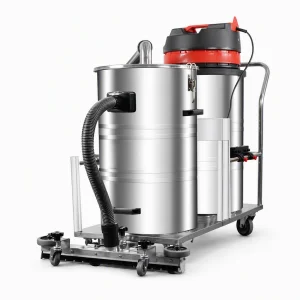
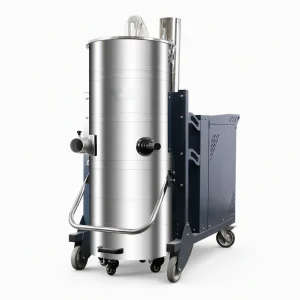
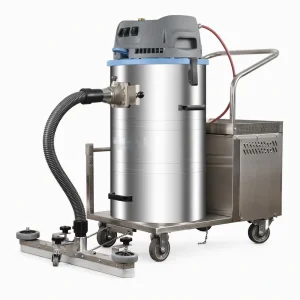
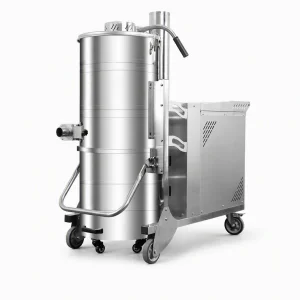
| Woven Electronic Axminster (80% Wool / 20% Nylon) | 42 oz – 54 oz/yd² | Continuous Heavy Contract (≥2.8 R) | Moderate (Requires pH 5.5-8.0 neutral agents) | Grand Ballrooms, VIP Dining, Presidential Suites | Dual-Motor Upright HEPA Extraction (e.g., DK-221MFC System) |
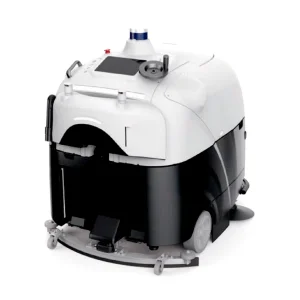
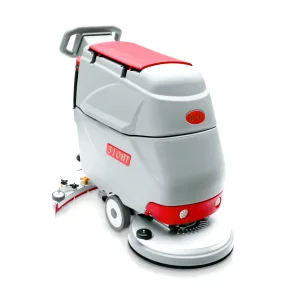
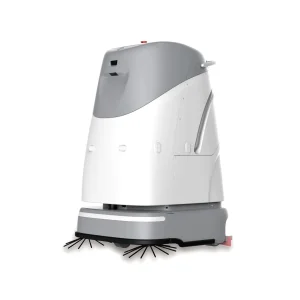
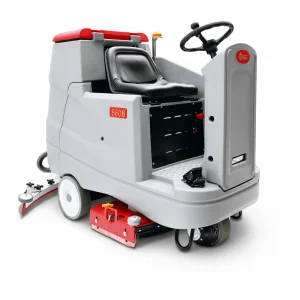
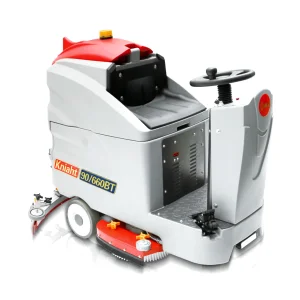
| Solution-Dyed Nylon 6.6 (Tufted Cut & Loop) | 32 oz – 48 oz/yd² | Severe Commercial Traffic (≥3.2 R) | High (Immune to diluted sodium hypochlorite) | Guest Corridors, Elevator Lobbies, Casino Floors | Pulse Reverse Air Blow Vacuum & Autonomous Scrubbers (SC80S) |
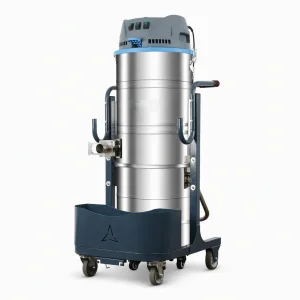
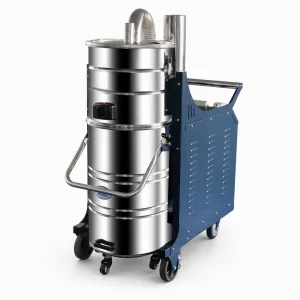
| Solution-Dyed Nylon 6 (Modular Planks / Tile) | 24 oz – 32 oz/yd² | Heavy Commercial (≥3.0 R) | High (Topical fluorochemical stain blocker) | Standard Guest Rooms, Meeting Suites, Admin Offices | High Precision Dry-Vacuum Units (e.g., DK-361ECO / DK-DC Battery) |
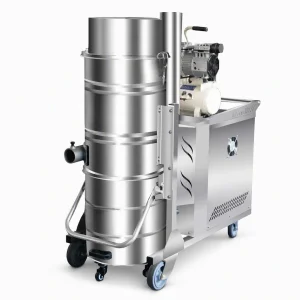
| Recycled Continuous Filament PET (Eco-Weave) | 28 oz – 36 oz/yd² | Moderate Commercial Traffic | Very High (Naturally hydrophobic surface) | Boutique Eco-Resorts, Long-Stay Apartment Units | Single-Phase Industrial Vacuums (e.g., DK-2290SE Standard) |
A hotel carpet’s operational lifespan is dictated as much by post-installation cleaning protocols as it is by yarn bundle density. Sub-surface particulate accumulation accelerates premature fiber abrasion.
Over 80% of soil tracked into high-volume hotels consists of gritty quartz and silicate particles. Under heavy luggage wheels and foot traffic, these micro-abrasives act as industrial cutters at the base of the carpet pile. Utilizing high-efficiency filtration vacuums equipped with pulse-cleaning HEPA mechanisms prevents pile shearing and preserves fiber crimp elasticity.
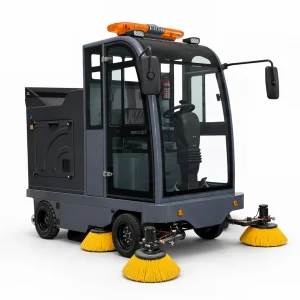
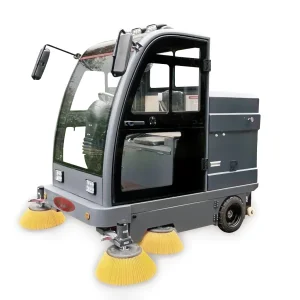
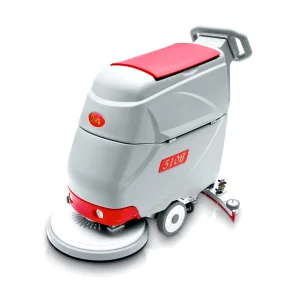
Frequent premature carpet replacement represents one of the largest capital expenditures (CapEx) in hotel asset management. By integrating factory-certified walk-behind and ride-on floor maintenance machinery, properties reduce deep restorative extraction frequency, minimize pile crushing, and extend carpet replacement cycles from 5 years out to 9–11 years.
Modern luxury architecture blurs lines between hard porcelain/marble lobbies and plush carpeted transition areas. Without targeted scrubbing and vacuum capture at transition thresholds, greasy residue and moisture transfer directly into carpet pile, causing rapid dark-line soil buildup. Autonomous and walk-behind scrubbers neutralize this boundary challenge.
Commercial carpets and their operational floor equipment must satisfy rigorous international regulatory thresholds for fire safety, indoor air quality, and electrical compatibility.
Every square meter of hotel-grade carpet must comply with ASTM E648 / NFPA 253 (Class 1 Critical Radiant Flux ≥ 0.45 W/cm²) and ASTM E662 / NFPA 258 Specific Optical Smoke Density (≤ 450 in flaming mode). In European markets, verification to EN 13501-1 (Bfl-s1) is obligatory for emergency escape corridors.
To secure hotel LEED or WELL building certifications, carpets undergo environmental chamber testing verifying compliance with Carpet and Rug Institute (CRI) Green Label Plus limits: Total VOCs ≤ 0.5 mg/m³, 4-PC ≤ 0.05 mg/m³, and Formaldehyde ≤ 0.05 mg/m³ to protect interior guest air quality.
From industrial facilities in Wenzhou, China to project distribution hubs across Southeast Asia, the Middle East, and India, our integrated manufacturing ecosystems support voltage customization (110V/220V/380V, 50/60Hz), custom dye-lot color matching (ΔE ≤ 0.5), and rapid containerized dispatch.
Established in 2017 in Wenzhou, Zhejiang, DIKE integrates advanced R&D, production, and worldwide sales of commercial floor scrubbers, autonomous cleaning units, and high-performance industrial vacuum cleaners. Our manufacturing processes support turnkey hospitality flooring specifications and global facility maintenance deployments.
Strategic technological roadmaps highlight the intersection of biological polymer chemistry and autonomous robotic fleet management in commercial hotel environments.
By 2028, leading wholesale carpet manufacturers are scaling bio-based Polyamide 5.6 (derived from sustainable corn or castor feedstocks) and infinite depolymerization systems. Worn carpet tiles can be disassembled, depolymerized into caprolactam monomer, and re-spun into virgin-grade fibers without structural property degradation.
Conductive yarn matrices woven directly into secondary backings will enable real-time guest occupancy heat-mapping and predictive cleaning alerts. Facility software detects high-wear zones in hotel corridors, alerting automated cleaning fleets to service targeted traffic lanes before irreversible fiber matting occurs.
Driverless floor scrubbers (e.g., SC50 and SC80S platforms) paired with smart carpet extractors will navigate hotel public corridors and exhibition halls via SLAM LiDAR during low-occupancy overnight windows. This robotics integration alleviates chronic hotel housekeeping labor shortages while enforcing uniform cleaning pressure.
Comprehensive engineering clarifications addressing durability, acoustic ratings, flammability, and lifecycle maintenance for hotel project owners and commercial procurement managers.
For guestroom corridors subjected to continuous luggage transit, the industry benchmark is a Solution-Dyed Nylon 6.6 with a pile yarn weight of 36 oz/yd² to 44 oz/yd² and an average density factor exceeding 6,500. Cut-and-loop or high-twist tip-sheared constructions provide superior rolling load resilience against delamination and prevent noticeable crush tracks along the corridor centerline.
Solution-Dyed Nylon embeds color pigment completely through the fiber core during the liquid polymer extrusion stage, comparable to a carrot where the color is uniform throughout. Piece-dyed carpets only dye the exterior perimeter (like a radish). Consequently, SDN exhibits unmatched color fastness, allowing facilities to remediate severe organic or chemical stains using mild bleach solutions without bleaching out the carpet color.
In North America and many international jurisdictions, hotels require ASTM E648 / NFPA 253 Class 1 rating (Critical Radiant Flux ≥ 0.45 watts/cm²), alongside ASTM E662 Smoke Density (≤ 450). European tenders demand CE compliance according to EN 13501-1 with classification Bfl-s1 for corridors and exitways, or Cfl-s1 for closed guestrooms.
Standard latex secondary backings can degrade and absorb beverage spills, leading to sub-floor bacterial growth and chronic odors. High-performance hotel carpets utilize closed-cell polyurethane cushions or thermoplastic composite barriers. These impermeable layers prevent surface liquids from penetrating through to the concrete sub-slab, enabling industrial vacuum extractors to completely recover fluids from the pile fibers.
Major commercial carpet mills stipulate periodic cleaning regimes using CRI Seal of Approval (SOA) certified equipment. Utilizing dual-motor industrial vacuums with HEPA reverse-pulse airflow (such as the DK-221MFC series) ensures complete recovery of abrasive deep-seated particulates without distorting yarn tufts, keeping manufacturer commercial wear warranties active throughout their 10-to-15 year term.
Noise complaints represent one of the leading drivers of negative guest reviews. High-mass hotel carpets paired with polyurethane cushion backings effectively dampen footstep impact noise (Impact Sound Transmission), attenuating airborne noise transmission across adjacent rooms and providing a luxury sensory experience impossible to replicate with hard resilient flooring.
Complete facility management for luxury hotel developments: maintain transition thresholds, underground parking facilities, extensive outdoor grounds, and high-traffic public avenues.