
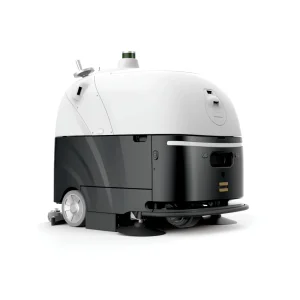
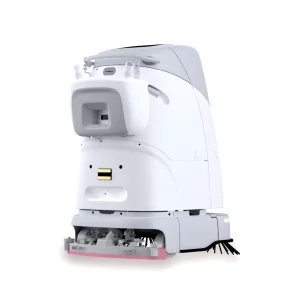
Wholesale SC80 Driverless Floor Scrubber
Product Profile & Specs
Explore our heavy-duty, battery-driven, and AI driverless sweepers and scrubbers, precision-engineered at our integrated Wenzhou production complex.
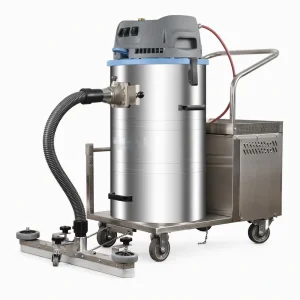
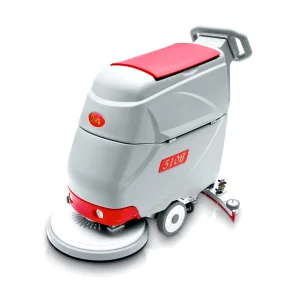
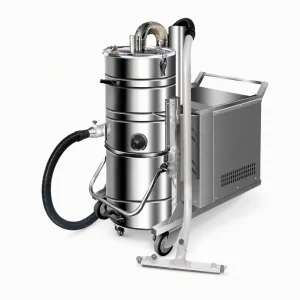
A data-informed analysis of commercial vacuum sweepers, supply chain decentralization, and structural shifts in global facility sanitation.
Global logistics warehouses, distribution centers, and commercial hubs confront an escalating 28% shortfall in janitorial labor availability. Fleet operators are systematically replacing manual pushing with autonomous driverless sweepers and sit-on ride-on scrubbers to preserve square-meter cleaning velocity.
Regulatory frameworks across North America (OSHA standard 29 CFR 1926.1153) and the EU (Directive 2004/37/EC) enforce zero-tolerance thresholds for respirable crystalline silica. Modern sweeping units must integrate HEPA filtration, reverse pulse blowing, and sealed negative-pressure chambers.
Indoor industrial operations within cold-chain facilities, pharmaceuticals, and high-tech manufacturing have phased out combustion-powered sweeper machinery. Transitioning to high-density lithium-ion cells ensures high uptime, zero emissions, and silent operation during active operational hours.
Anticipating structural engineering requirements from algorithmic LiDAR route planning to modular pneumatic filtration.
Integration of solid-state 3D LiDAR sensors and dual ultrasonic transceivers allowing obstacle avoidance in dynamic warehouse operations, minimizing human intervention while ensuring 99.4% route completeness.
Automated differential pressure monitoring activates pneumatic reverse blowbacks, clearing nano-fiber particulate down to 0.3 microns without downtime, preserving maximum turbine extraction power.
Real-time telematics delivering predictive brush-wear notifications, vibration pattern alerts for vacuum turbine bearings, battery health cycling telemetry, and centralized floor hygiene certifications.
Comprehensive operational recommendations tailored by facility floor type, environmental contamination risks, and industrial throughput.
| Application Environment | Primary Floor Contaminants | Recommended System Architecture | Operational Benefits |
|---|---|---|---|
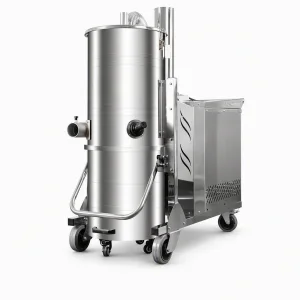
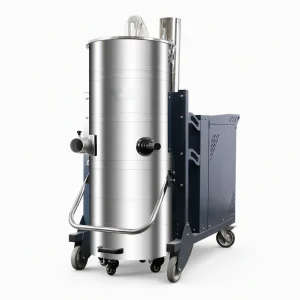
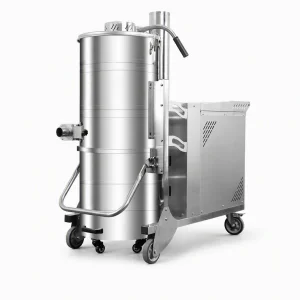
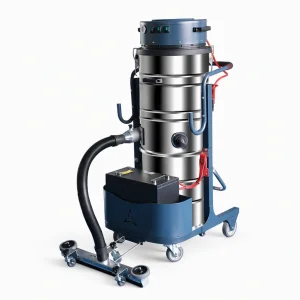
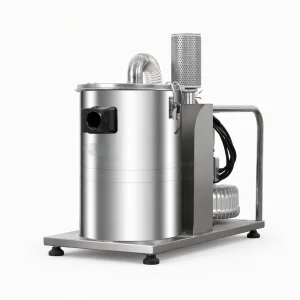
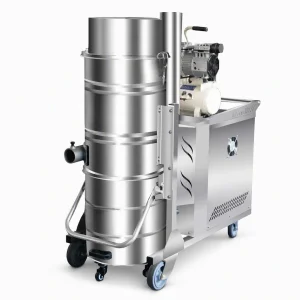
| Heavy Engineering & Metal Foundries | Abrasive metal shavings, cooling oil residue, silica dust | Three-Phase Vacuum Extractor (DK-221VAC / DK-EX) | Continuous 24/7 duty motor, spark suppression, explosion-proof design. |
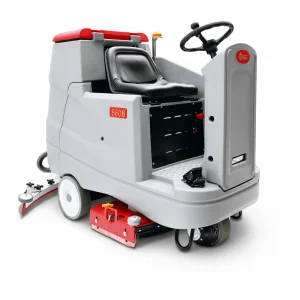
| Modern Logistics & Distribution Hubs | Packaging shred, tire skid marks, pallet splinters, dust | Ride-On Scrubber (KNIAHT 860B / 1020BT) | High-speed clearing (>6,500 m²/h), heavy squeegee recovery, zero skid hazard. |
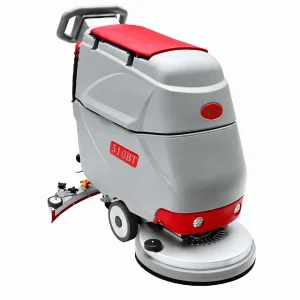
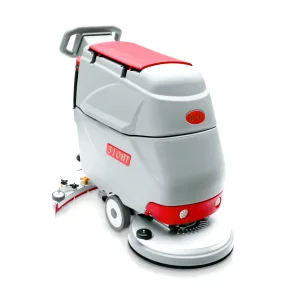
| Healthcare, Retail & Commercial Spaces | Pedestrian mud, fine particulates, spills, beverage stains | Autonomous Scrubber (SC80 / SC50S) + Hand Push 510BT | Low-decibel scrubbing, precise chemical dosing, rapid dry-down. |
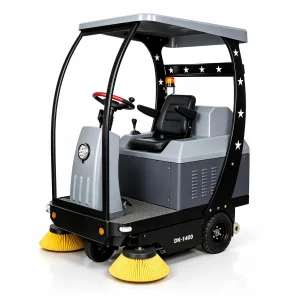
| Municipal Plazas & Industrial Perimeters | Leaves, gravel, bulk curbside litter, exterior soil | Semi-Enclosed Sweeper (DK-1400) + Sanitation 3-Wheeler | Sweeps coarse and micro debris simultaneously, all-weather cab enclosure. |
Headquartered in Wenzhou, China, DIKE integrates end-to-end metal fabrication, rotational tank molding, electrical wire harness design, and rigorous quality assembly under one unified quality system.
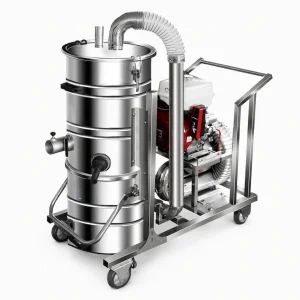
Specialized twin-tank configurations, gasoline-driven mobile vacuum collectors, and semi-enclosed ride-on street sweeping systems.
In-depth responses covering voltage localization, filtration maintenance, explosion-proof classifications, and supply chain logistics.
Every commercial vacuum sweeper and industrial extraction unit is configured with region-specific internal transformers and motors. We deliver 110V/60Hz, 220V/50Hz, 380V/50Hz, and 480V 3-phase options, fully paired with CE, UL, or regional electrical wiring codes, grounding lugs, and certified pin configurations.
Autonomous systems (e.g., SC80, SC50S) excel on repetitive, highly standardized corridors found in airports, regional logistics transshipment zones, and distribution centers. They free labor for spot-cleaning. Ride-on units are best for facilities with dynamic aisle layouts, erratic debris, or changing operational floor plans.
Manual blowback (DK-221SMC) relies on an operator-actuated lever to reverse air circulation across internal cartridges. Pulse reverse-blow systems (DK-221MFC) utilize electronic solenoids delivering pressurized micro-bursts automatically when pressure drop sensors detect filter saturation, eliminating manual oversight.
DIKE provides complete private labeling, customized rotational-mold coloring, UI control panel translations, and tailored chassis brackets. All engineering drawings, spare part replenishment kits (brushes, squeegee blades, filter elements), and export manifests are managed by dedicated engineering project leads.