Engineered for high-throughput dust containment, heavy particulate recovery, and continuous facility operation across global regulatory standards.
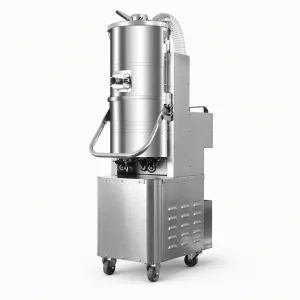
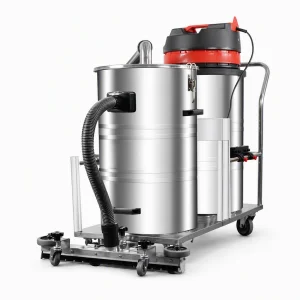
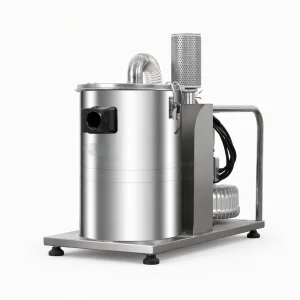
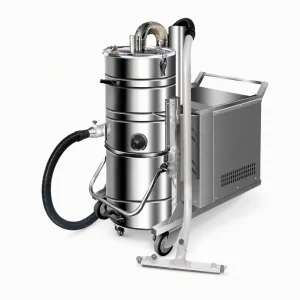
A strategic analysis of mechanical kinematics, brushless drivetrains, and IoT telemetry modernizing automated surface sanitation.
Modern wholesale automatic push brooms have evolved beyond passive mechanical sweeps into active multi-stage debris recovery platforms. Utilizing chevron-patterned primary roller brushes combined with dual counter-rotating disc side brushes, these units achieve up to 98% particulate collection efficiency on single-pass sweeps. The mechanical geometry optimizes peripheral velocity, funneling ultra-fine dust down to 2.5 microns alongside coarse refuse directly into laminar airflow capture channels without blowing fugitive particulate into ambient breathing zones.
The paradigm shift from manual physical exertion and sealed lead-acid (SLA) systems to intelligent Lithium Iron Phosphate (LiFePO4) power cells has redefined sweep runtimes. Current push broom designs boast high-density BMS integrations featuring 3,500+ thermal charge cycles, active temperature modulation, and rapid opportunity charging. Facilities gain up to 6.5 continuous operating hours per single recharge, mitigating peak labor shifts while preventing unexpected fleet downtime across expansive logistics centers.
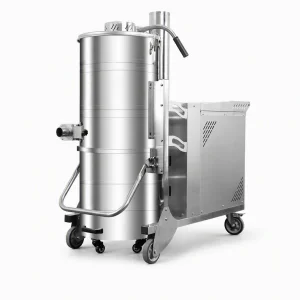
Industrial health regulations (including OSHA respirable crystalline silica standards and ISO 14644-1 requirements) demand rigorous filtration stages within push sweepers. Advanced models deploy integrated PTFE-coated polyester cartridge filters coupled with manual or timed pneumatic reverse-blowback mechanisms. This operational setup ensures that filter media pore obstruction is cleared dynamically, maintaining continuous static lift suction pressure without requiring repetitive operator filter removal.
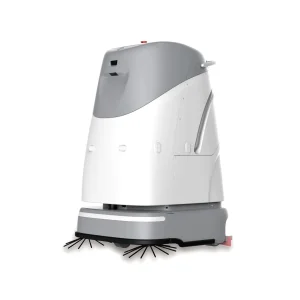
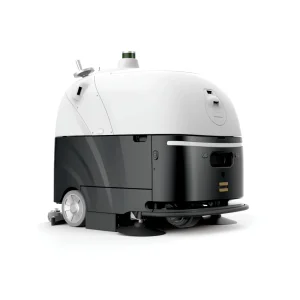
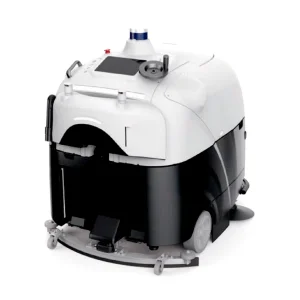
The industrial surface cleaning sector is undergoing a rapid transition toward hybrid autonomous operations. Autonomous Mobile Robot (AMR) configurations employ multi-sensor fusion combining 3D LiDAR arrays, ultrasonic proximity transducers, and downward-facing optical odometry to map dynamic operational footprints with sub-centimeter accuracy. Fleet directors now leverage edge-connected IoT dashboards to audit cleaning verifications, consumable wear levels (squeegees, main roller brushes), and operator productivity metrics in real-time, eliminating operational blind spots across multi-site global portfolios.
Unlocking profound cost efficiencies, rapid electromechanical engineering iteration, and end-to-end quality assurance.
Situated within the advanced industrial manufacturing belt of Wenzhou, Zhejiang, factories leverage an unbroken local supply chain. From precision rotational rotomolding of chemical-resistant, thick-wall polyethylene (LLDPE) water tanks to in-house CNC machining of alloy chassis structural frames, 92% of sub-components are sourced within an 80-kilometer radius. This geographic density drastically reduces supplier lead times, protects against international logistics friction, and enables unparalleled OEM/ODM configuration speed.
Modern Chinese industrial cleaning machine facilities produce machinery conforming directly to CE (Machinery Directive 2006/42/EC, Low Voltage Directive 2014/35/EU, EMC Directive 2014/30/EU), UL, CSA, and RoHS environmental directives. Rigorous automated dynamometer testing, continuous environmental acoustic chambers, and vibration test benches guarantee that exported push broom and vacuum machinery satisfies stringent regulatory frameworks across North American, European, and Asian Pacific jurisdictions.
Global brand holders, equipment rental networks, and municipal distribution leaders leverage deep custom manufacturing parameters. From specific brush filament chemistry (polypropylene, heat-resistant nylon, conductive carbon antistatic fiber, or abrasive silicon carbide blends) to regional grid electrical configurations (110V/220V/380V; 50Hz/60Hz; NEMA, CEE, Schuko interconnects), engineering teams deliver customized prototypes to full production tooling in weeks rather than quarters.
Matching mechanical displacement mechanisms, brush speeds, and suction dynamics to targeted facility requirements.
| Industry Sector | Surface Dynamics & Soil Profiles | Recommended Mechanical Profile | Key Operational Efficacy Metrics |
|---|---|---|---|
| Heavy Machinery & Foundries | Abrasive swarf, steel shot, silica sand, cast iron dust, oily aggregates | Heavy-duty walk-behind / ride-on sweeper with 380V/three-phase continuous bypass suction and steel collection hoppers | Prevents airborne PM10 hazards; resists abrasive chassis deterioration |
| Pharma & Cleanroom Enclosures | Fine crystalline particulates, API powder residues, sanitary protocols | Stainless steel chassis, IP54 dust protection, H14 class HEPA filtration with pharmaceutical certification | Zero cross-contamination risk, laminar flow protection, validated sterility |
| High-Bay E-Commerce Hubs | Packing fuzz, wooden pallet splinters, dust trails over 50,000+ m² | Autonomous (AMR) scrubber/sweepers paired with high-capacity traction-assisted dual-roller brooms | Continuous unsupervised multi-shift coverage; 65% reduction in recurring overhead |
| Textile & Paper Mills | Airborne lint, long fiber bundles, static-sensitive lightweight fluffs | Twin-tank anti-clogging battery vacuum systems with anti-static filter screens | Completely eliminates filament wrapping around central motor drive spindles |
| Cold-Chain Logistics | Condensation build-up, frost accumulation, slick polished concrete | High down-pressure walk-behind scrubbers with non-marking polyurethane blades and instant recovery | Immediate slip-and-fall remediation down to -20°C temperatures |
Critical considerations covering lifecycle ROI, preventative maintenance, logistics compliance, and integration.
High-capacity machinery designed for expansive logistics centers, manufacturing facilities, and municipal projects.