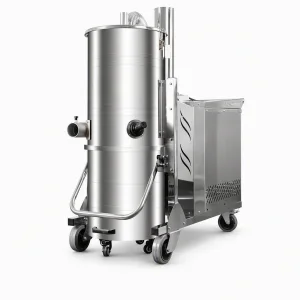
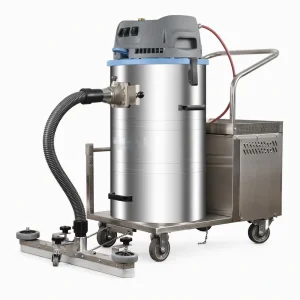
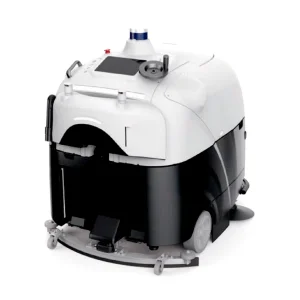
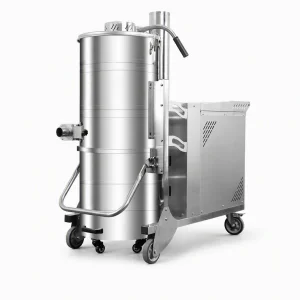
Precision Heavy-Duty & Commercial Cleaning Platforms Engineered for Resilient Global B2B Supply Chains
Direct manufacturer deployment of ride-on sweepers, three-phase vacuum collectors, and self-propelled systems built to ISO 9001 quality benchmarks.
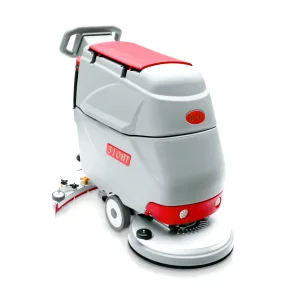
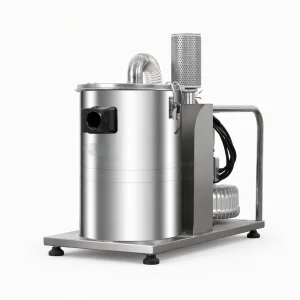
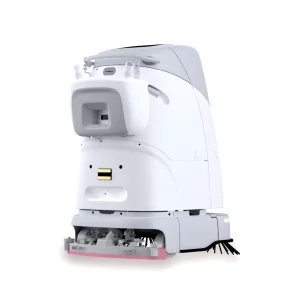
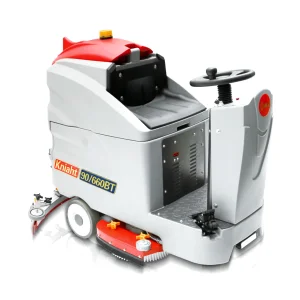
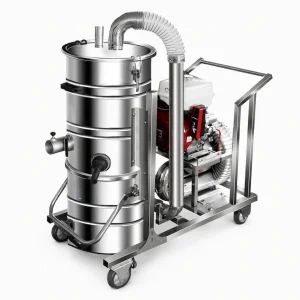
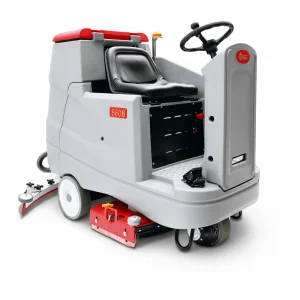
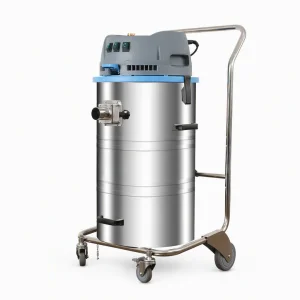
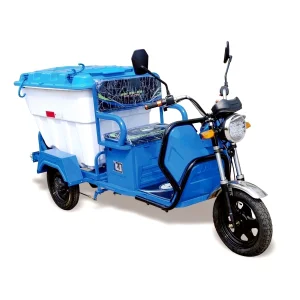
A technical assessment of high-throughput continuous suction architectures, HEPA filtration dynamics, and total cost of ownership (TCO) in international procurement.
In modern facility management, commercial and industrial vacuum systems have shifted from simple post-construction utility equipment into mission-critical assets that preserve indoor environmental quality (IEQ), safeguard complex industrial machinery, and mitigate OSHA combustible dust hazards. Commercial environments—encompassing large-scale logistics fulfillment centers, pharmaceutical fabrication plants, cleanrooms, high-traffic transit hubs, and heavy metallurgical workshops—require robust, failure-proof suction solutions capable of operating across varied pneumatic duty cycles.
Procurement managers and plant engineers prioritize three critical design aspects: air handling velocity (CFM), static water lift (mmH2O), and multi-stage cyclonic separation. Single-stage consumer-grade bypass motors overheat and fail when handling micro-fine cement, silicate, or conductive particulate. In response, modern commercial manufacturers implement cast-aluminum side-channel blowers, multi-stage turbine assemblies, and programmable automated reverse-pulse jet cleaning cycles that ensure air-to-cloth ratios remain optimized without manual intervention.
Next-gen commercial facilities demand unmanned sweeping and scrubbing robots equipped with LiDAR-SLAM navigation, 3D Time-of-Flight (ToF) cameras, and cloud-managed fleet telematics that dramatically lower recurring cleaning labor overheads.
Global standards such as NFPA 652 and ATEX Zone 21/22 dictate explosion-proof three-phase vacuum architectures with antistatic polyester filters, brushless motors, and spark-free stainless steel tanks for combustible grain, pharmaceutical, and metal dust extraction.
The industry has migrated away from high-maintenance flooded lead-acid batteries toward integrated LiFePO4 cells. These provide rapid opportunity charging, double the operating runtime per shift, and reduce the overall unladen weight of commercial push-type and ride-on equipment.
How vertically integrated component clusters, precision rotational molding, and certified testing rigs provide overseas B2B distributors with unmatched cost efficiencies.
China’s industrial cleaning manufacturing landscape—anchored in specialized industrial clusters such as Wenzhou, Zhejiang—delivers unmatched supply chain density. Rather than operating as mere assembly facilities, Tier-1 Chinese manufacturers integrate mold tooling, precision rotational molding (rotomolding) of crack-resistant LLDPE solution/recovery tanks, robotic laser metal fabrication, in-house motor winding, and printed circuit board assembly (PCBA) under unified quality assurance protocols.
By producing industrial chemical-resistant poly tanks using high-precision cast aluminum molds, our manufacturing base eliminates welded tank seams, preventing micro-fractures, stress corrosion, and acidic detergent leaks during high-stress operational cycles.
Every commercial vacuum and automated scrubber goes through computerized dynamometer tests, continuous pressure-drop airflow logging, insulation dielectric breakdown tests, and underwater ultrasonic seal evaluations before crating.
Global distributors can easily customize vacuum electrical interfaces across North American (110V/60Hz), European/Asian (220-240V/50Hz), and heavy-industrial 380V-480V 3-phase standards, alongside custom private labeling and bespoke control UI firmware.
Select targeted cleaning machinery based on particulate physics, operational area density, and electrical infrastructure constraints.
| Equipment Classification | Core Airflow / Power Profile | Filtration & Recovery Setup | Ideal Application Scenario | Duty Cycle Rating |
|---|---|---|---|---|
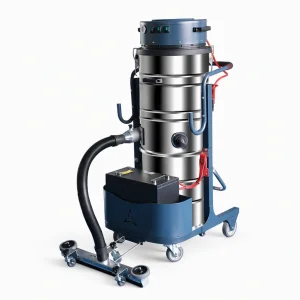
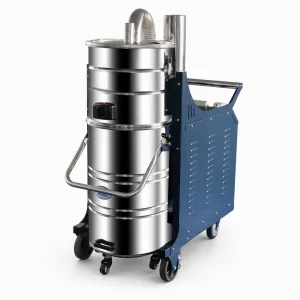
| Continuous 3-Phase Industrial Vacuums | 2.2 kW – 7.5 kW Cast Turbine, 320–700 m³/h | Class M/H Star Filters, Manual/Automatic Shaker | Machining centers, CNC swarf extraction, steel mills | 24/7 Continuous Duty |
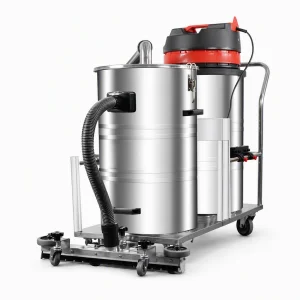
| Battery Push-Type Commercial Vacuums | 24V DC / 36V Lithium, 180–280 m³/h | Multi-stage Cartridge + HEPA H14, Wet/Dry Valve | Contractor janitorial, retail corridors, clinics | 4 to 6 Hours Shift |
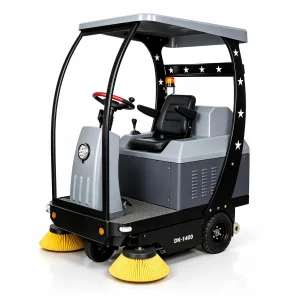
| Ride-On Automatic Scrubber Dryers | Twin 400W–650W Brush + 550W Suction Motor | Curved parabolic cast squeegee, dual-tank (80-120L) | Distribution warehouses, transit stations, underground parking | Intermittent to Multi-shift |
| ATEX / Explosion-Proof Air Extractors | Venturi Pneumatic or Brushless ATEX motor | Antistatic PTFE coated cartridge (0.3 micron 99.99%) | Flour mills, chemical batching, aerospace powder coating | Continuous Spark-Free |
| Gasoline-Driven Heavy Vacuums | 6.5 HP – 13 HP Honda/Loncin Combustion Motor | Cyclone Pre-separator + Washable High-Capacity Bag | Outdoor municipal pavements, construction demolition sites | Field Utility (Off-Grid) |
In-depth engineering answers addressing compliance, suction performance, motor life cycles, and global distributor support.
Cubic Feet per Minute (CFM) measures air movement volume, which determines the system's ability to sweep lightweight dust over broad surface areas. Static Lift (measured in inches of water column or mmH2O) dictates pneumatic pull force against heavy, viscous substances, including wet sludge, metal grinding grit, or coolants. High CFM is critical for expansive dry floor dusting, while high Static Lift is non-negotiable for industrial coolant recovery and slurry extraction.
Standard filter bags instantly blind when handling microscopic dust from concrete grinding. Our commercial-grade vacuums implement three-stage filtration: cyclonic mechanical separation that drops 90% of dust directly into the bin, PTFE-coated aluminized non-stick primary star filters, and automated reverse-pulse jet blowback systems that periodically pulse compressed air across filter pleats without interrupting operator suction.
Standard bypass vacuum motors rely on contact carbon brushes that wear down after 600–1,000 operational hours and create sparks. Side-channel blowers use induction motors without wearing carbon components, allowing continuous 24/7 industrial duty for over 25,000 hours with minimal bearing lubrication, essential for automated industrial plant integrations.
We supply distributor maintenance kits containing fast-wear items (drive belts, squeegee blades, PU suction hoses, solenoid valves, and filter cartridges) packaged with each export container. Standard parts share universal dimensional sizing, and our engineering office provides exploded CAD drawings, technical parts diagrams, and remote video diagnostics within one business day.
Yes. Our full machinery portfolio conforms to relevant CE Machinery Directives (MD 2006/42/EC), Low Voltage Directives (LVD), and EMC Electromagnetic Compatibility frameworks. Electrical motors and power assemblies can be specified with UL/CSA compliance for the United States and Canadian commercial markets.
As a vertically integrated original equipment manufacturer, we tailor rotational mold coloring, silk-screened distributor branding, user manual localization, and custom voltage configurations (single-phase 110V/230V or three-phase 380V/415V/480V) with low minimum order quantity (MOQ) thresholds.
Specialized floor scrubbers, high-precision textile recovery systems, and automated cleaning vehicles engineered for modern processing facilities.