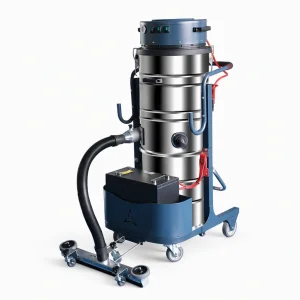
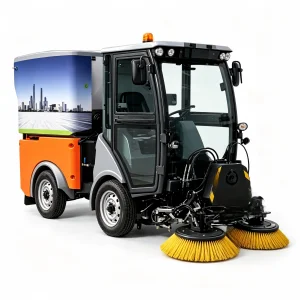
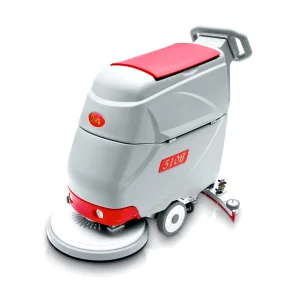
Engineered for mission-critical environmental hygiene across industrial complexes, distribution centers, and municipal infrastructure.
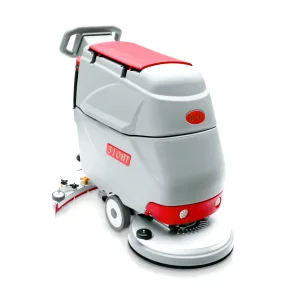
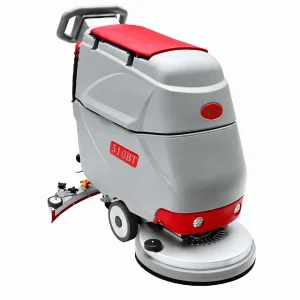
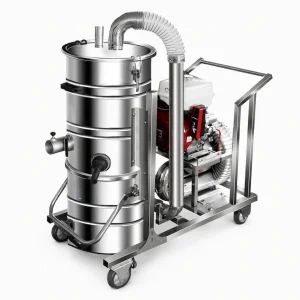
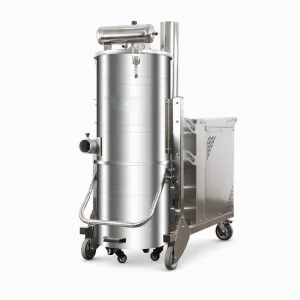
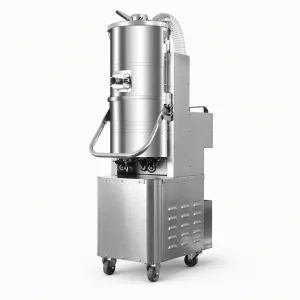
Comprehensive insights into how modern municipal engineering, smart warehouse automation, and stringent airborne PM2.5/PM10 emission benchmarks drive mechanical sweeping technology worldwide.
Global logistics hubs and municipal service providers face escalating labor shortages and wage inflation. Modern sit-on sweepers address this critical operational vulnerability.
The transition from internal combustion engine (ICE) sweepers to lithium-ion electric power systems is mandatory under ESG compliance regimes worldwide.
Modern regulatory environments demand high-efficiency particulate containment to safeguard public health and protect sensitive production machinery.
Evaluating mechanical load, surface topography, and particulate composition to engineer the optimal sweeper and scrubber configuration.
| Application Scenario | Primary Floor Contaminants | Recommended Fleet Configuration | Performance Benchmark |
|---|---|---|---|
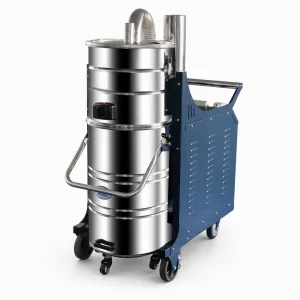
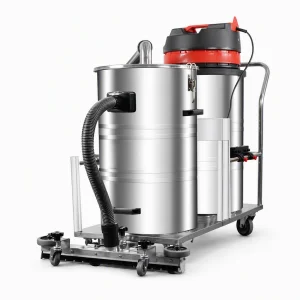
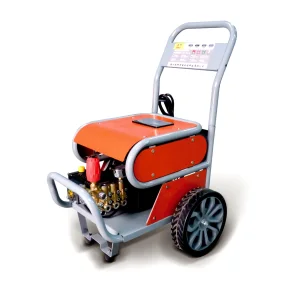
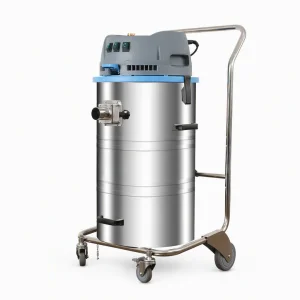
| Heavy Industrial & Foundries | Metal slag, fine foundry silica, pallet splinters, carbon black | Heavy-Duty Three-Phase Industrial Vacuums & Enclosed Sweepers | Continuous duty, high-filtration barrier, spark-arresting baffles |
| E-Commerce Warehousing | Packaging debris, shrink wrap, pallet dust, light tire skid marks | Mid-to-Large Sit On Road Sweepers & Ride-On Scrubbers | 6,500 – 10,000 m²/h, tight turning radius, low noise emission |
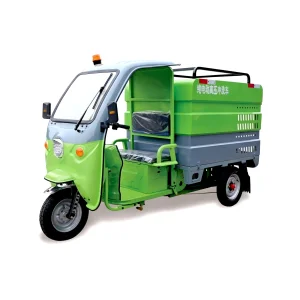
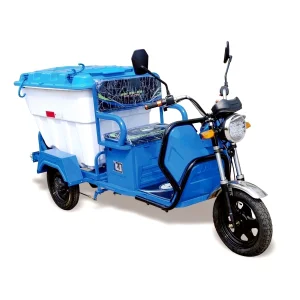
| Municipal Roads & Campuses | Foliage, gravel, wet sand, beverage cans, ambient road dirt | Electric Sanitation Three-Wheelers & Multi-Functional Sweepers | Gradeability ≥20%, high ground clearance, high-dump waste hopper |
| Cleanrooms & Pharmaceuticals | Sub-micron chemical powders, active pharmaceutical ingredients | Explosion-Proof / Pharmaceutical-Grade Vacuum Systems | H14 HEPA micro-filtration (99.995% retention at 0.3 microns) |
| Automotive Showrooms & Retail | Fine dust, grease, liquid spillages, high aesthetic finish demand | Walk-Behind & Compact Ride-On Battery Scrubbers | Single-pass wash-and-dry, non-marking elastomeric tires |
Eliminating friction for international distributors through proactive compliance, modular component compatibility, and responsive regional engineering.
DIKE adapts electrical architectures to target market grids without requiring aftermarket step-down transformers or external modifications.
We provide rapid spare part dispatches and engineer-to-engineer technical escalation to maintain fleet uptime across multiple continents.
Complete documentation packages engineered for institutional bids, municipal tenders, and customs clearance procedures.
The progression of DIKE cleaning systems from high-performance electromechanical equipment toward fully autonomous, telemetry-connected environmental units.
Optimizing high-torque brushless drive motors and automotive-grade differential transaxles for reliable 25% incline hill climbing.
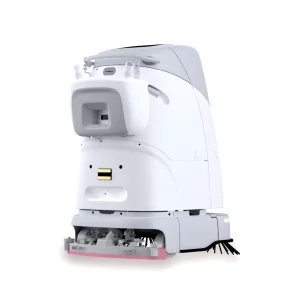
Integrating 3D LiDAR, ultrasonic arrays, and optical visual odometry into autonomous units such as the SC50S for real-time dynamic path correction.
Cloud-linked telemetry reporting water usage, battery depth of discharge, brush head wear monitoring, and predictive maintenance alerts via cellular APIs.
Zero-touch replenishment stations capable of automatic dumping, clean water refilling, and inductive fast-charging without human intervention.
Detailed engineering, procurement, and warranty answers addressing common evaluation requirements.
A sit-on road sweeper is engineered primarily for dry debris remediation, collecting litter, sand, packaging refuse, and coarse particles into an internal waste hopper using mechanical main brooms and dust-suppression vacuum filtration. A ride-on scrubber dryer, by contrast, executes a wet process: it injects a chemical-water solution, scrubs stubborn soil and grease with rotary disc or cylindrical brushes, and collects the wastewater through a vacuum squeegee, leaving the floor dry and walkable in a single pass. For large industrial sites, these machines are complementary: dry sweeping precedes wet scrubbing to preserve squeegee blades and vacuum components.
DIKE utilizes globally standardized battery trays compatible with both maintenance-free AGM lead-acid batteries and advanced Lithium Iron Phosphate (LiFePO4) packs. For lithium setups, we incorporate smart Battery Management Systems (BMS) with CAN-bus communication that monitor temperature, cell balance, and charging state. In destination markets, distributors can either source local standard battery blocks through our open-architecture brackets or receive pre-certified lithium battery packs certified under UN38.3, MSDS, and maritime safety standards directly with machine shipments.
Standard production lead time for DIKE catalog models ranges between 15 to 25 days depending on batch quantities. For custom OEM/ODM orders requiring custom paint matching (RAL), specialized private-label rotomolded tank logos, bespoke voltage configurations (e.g., 110V/60Hz chargers), or alternative brush deck designs, engineering lead times are typically 30 to 40 days. Critical spare parts (squeegee rubbers, motors, filters) are permanently stocked for immediate 48-hour air courier dispatch.
All export equipment is sealed in vapor-barrier poly wraps with industrial silica gel desiccants to prevent humidity and salt-fog corrosion. Sweepers and scrubbers are bolted to fumigated ISPM-15 compliant hardwood or heavy-gauge steel export pallets. Structural tie-downs anchor the chassis to prevent shift during heavy sea states, and machines are encased in multi-wall corrugated cardboard and solid plywood crates ready for LCL or full-container (FCL) transit.
Heavy-duty multi-phase collection units, utility vehicles, and specialized lithium-driven sanitation machinery.