Precision-manufactured machinery built with high-pressure rotary scrubbing assemblies, dynamic vacuum recovery, and continuous industrial duty cycles.
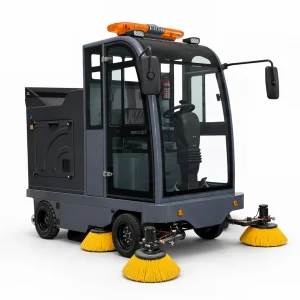
Rapid expansion in global logistics, modern warehousing infrastructure, pharmaceutical manufacturing, and automated assembly plants has radically altered surface maintenance economics.
Across North America, the European Union, and the Asia-Pacific region, commercial facilities and sanitation contractors face unprecedented wage inflation and turnover rates topping 200% annually. Manual cleaning and legacy walk-behind scrubbers can no longer maintain compliance standards over footprints exceeding 10,000 square meters.
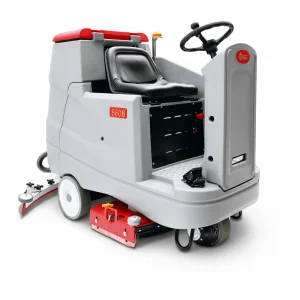
Deploying a single heavy-duty ride-on floor scrubber dryer replaces between 6 to 12 manual cleaning operatives per 8-hour shift, eliminating repetitive strain injuries and stabilizing overhead expenses.
Regulatory frameworks, including OSHA, ISO 22000 (HACCP), and European health standards, enforce stringent particulate and chemical residue thresholds across food processing, cold chains, and automotive assembly hubs. High down-pressure scrubbing (up to 85 kg) coupled with instantaneous fluid extraction is required to mitigate slip-and-fall liabilities.
Modern industrial ride-on scrubbers integrate eco-metering peristaltic pumps that curtail water and detergent consumption by up to 45%, fulfilling corporate sustainability requirements.
Facility executives now demand verifiable clean surface metrics. Contemporary ride-on machines integrate CAN-bus architecture, continuous telemetry, cellular IoT nodes, and operator RFID authentication.
Facilities supervisors monitor geographic coverage routes, scrub motor current profiles, battery health, and water consumption live via cloud dashboards, ensuring transparent SLA compliance across outsourced maintenance contracts.
How modern Chinese industrial centers like Wenzhou have unified rotomolding tooling, high-torque BLDC motor production, and intelligent electronics into a globally dominant OEM/ODM export hub.
Leading Chinese factories utilize multi-axis CNC aluminum rotomolding tooling to craft high-density polyethylene (HDPE) dual tanks. These seamless, shock-resistant structures resist chemical corrosion from aggressive degreasers, acids, and industrial solvents. Integrated baffle systems prevent sloshing, ensuring machine stability on ramps and during high-speed turns.
By consolidating permanent magnet brushless DC (BLDC) motors, planetary transaxles, and precision PWM speed regulators directly within regional production clusters, Chinese manufacturers optimize energy transfer efficiencies up to 92%. This integration ensures high climbing grades (15–20%) without motor thermal clipping or premature brush wear.
Tier-1 Chinese factories manufacture machinery fully compliant with ISO 9001, ISO 14001, CE Machinery Directive 2006/42/EC, and Low Voltage Directive 2014/35/EU. Factory acceptance testing includes continuous 72-hour dynamometer runs, IPX4/IPX5 water ingress evaluation, salt spray squeegee resistance, and electromagnetic compatibility (EMC) assessments.
A deep dive into sub-system mechanics that deliver dry-to-the-touch floors, zero downtime, and low operational overhead across demanding warehouse and factory conditions.
Equipped with twin disc or dual contra-rotating cylindrical brush heads providing variable down pressures from 35 kg to 85 kg. The motorized actuators dynamically adjust to floor surface undulations, lifting heavy grease, vulcanized tire rubber, and fine particulate without scratching epoxy coats.
Aerodynamically balanced aluminum parabolic squeegee assemblies with 4-sided Linatex or polyurethane blades. Paired with a heavy-duty 3-stage tangential vacuum motor generating up to 22 kPa negative pressure, recovering 99.4% of moisture in a single pass to ensure walk-ready safety.
Engineered for high-capacity 24V/36V systems with support for AGM maintenance-free batteries or deep-cycle Lithium Iron Phosphate (LiFePO4) packs. Integrated Battery Management Systems (BMS) provide thermal protection, opportunity fast charging, and up to 3,500 lifecycle charges.
Automotive-grade steering columns with intuitive one-touch controls (eco-mode, reverse fluid cut-off, automated squeegee lift). Anti-fatigue suspension seating, wide-angle LED working illumination, and emergency stop systems minimize operator fatigue during 6-to-8 hour shifts.
| Performance Dimension | Manual Operative Team | Walk-Behind Scrubber (510mm) | Mid-Size Ride-On (KNIAHT 860B) | Heavy Industrial Ride-On (1020BT) |
|---|---|---|---|---|
| Theoretical Coverage | 250 – 400 m²/hr per worker | 1,800 – 2,200 m²/hr | 4,500 – 5,500 m²/hr | 7,500 – 8,500 m²/hr |
| Scrubbing Down-Pressure | < 5 kg (Manual mop pressure) | 25 – 35 kg | 45 – 65 kg (Adjustable) | 70 – 90 kg (Hydraulic assist) |
| Solution Tank Capacity | 15 L mop bucket (Frequent refilling) | 45 – 55 L clean / dirty | 120 L clean / 130 L dirty | 200 L clean / 210 L dirty |
| Labor Replacement Factor | Baseline benchmark | Replaces 3 to 4 operatives | Replaces 8 to 10 operatives | Replaces 12 to 15 operatives |
| Floor Drying Performance | 15 – 30 min (Slip-and-fall risk) | Immediate to 60 seconds | Instantaneous (< 10 seconds) | Instantaneous (< 5 seconds) |
| 5-Year TCO Cost Basis | High recurring labor & injury risk | Medium CapEx, moderate labor | Low TCO per m², fast ROI (4-6 mo) | Optimal ROI for mega-sites (>15k m²) |
Targeted configurations tailored to floor hardness, chemical exposures, dust profiles, and acoustic restrictions across demanding industrial and commercial environments.
Operational Challenge: Massive floor footprints (>30,000 m²) with dense pallet racking, AGV transit lanes, fine cardboard dust, and black skid marks from counterbalance forklifts.
Factory Solution: Heavy-duty ride-on scrubber dryers with high runtime (6+ hours via lithium packs), non-marking polyurethane traction tires, and integrated cylindrical sweeping hoppers to capture rogue packaging debris before scrubbing.
Operational Challenge: Concrete and metallic floors coated with cutting fluids, water-soluble lubricants, stamping grease, and sharp metal shavings that slice rubber blades.
Factory Solution: Chemical-resistant Linatex red squeegee blades, oil-resistant gaskets, dual brush motor torque configurations, and robust pre-sweeping capabilities to remove metallic chips without puncturing vacuum seals.
Operational Challenge: Zero allowable microbial contamination, strict clean-in-place (CIP) protocols, sterile chemical resistance, and static dissipation demands.
Factory Solution: Anti-microbial roto-molded recovery tanks with smooth interior walls for rapid chemical washdowns, static-conductive drag chains, and HEPA exhaust filtration modules to prevent micro-aerosol redispersal.
Where Chinese industrial automation is heading: Transitioning from manual ride-on units toward hybrid autonomous fleets, solid-state batteries, and closed-loop nanofiltration.
Standardization of modular 48V CAN-bus platforms, zero-maintenance lithium iron phosphate batteries with sub-2-hour opportunity fast charging, and edge-connected cellular fleet telemetry reporting runtime, water throughput, and component degradation directly to ERP platforms.
Multi-modal machines capable of switching seamlessly between manual ride-on operation for complex spot cleaning and driverless autonomous execution for standardized wide-aisle routes using Solid-State LiDAR, stereo depth cameras, and SLAM navigation algorithms.
Continuous on-board multi-stage nanofiltration and catalytic ozonation systems that purify dirty recovered wastewater in real time. Machines recycle up to 90% of their operational water volume during shifts, eliminating the need to visit drainage and refill stations throughout the day.
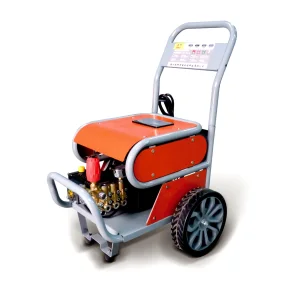
Established in 2017 in Wenzhou, China, DIKE integrates research, development, precision manufacturing, and direct global export across commercial floor scrubbers, industrial sweepers, high-pressure cleaners, and continuous vacuums.
By overseeing tool development, plastic rotomolding, mechanical chassis fabrication, and final wiring in-house, DIKE ensures rapid adaptation to regional voltage, plug configurations, and custom private-label OEM branding for distributors worldwide.
DIKE equipment operates reliably in dozens of countries and regions across Europe, the Americas, the Middle East, and Southeast Asia. We maintain dedicated regional coordination, including specialized representation for key markets such as India, ensuring seamless technical support.
From ISO factory management audits to third-party CE certifications, full documentation packages and technical schematics are immediately available for import customs clearance, government tenders, and municipal sanitation procurement files.
There is no best, only better — continually elevating technical support for our international distributor network.
Execute every assembly procedure thoroughly and never repeat an operational mistake twice.
Strict, pragmatic, and uncompromising focus on durability across every welded chassis and mold.
Persevere, iterate, and innovate to lead the next generation of industrial environmental machinery.
Advanced autonomous floor platforms, 380V multi-phase debris extractors, and municipal sanitation transport vehicles engineered for global tenders.
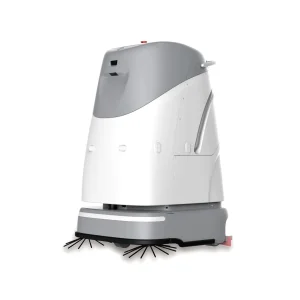
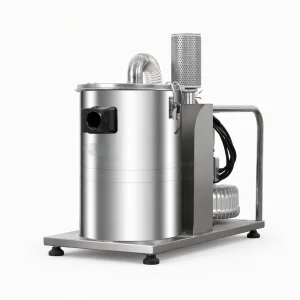
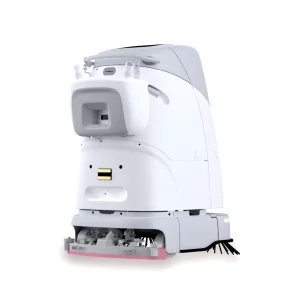
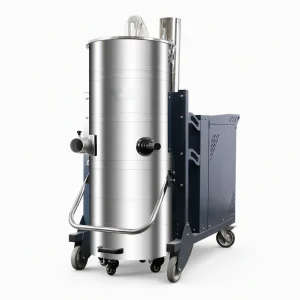
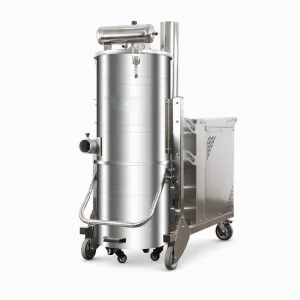
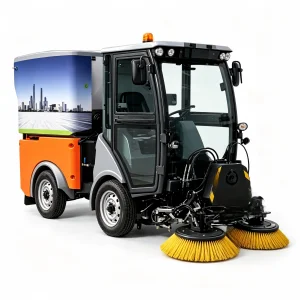
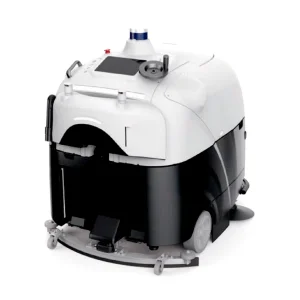
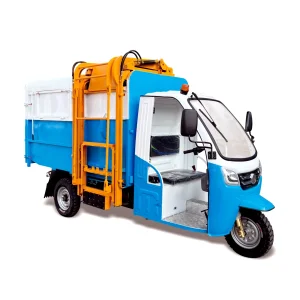
Detailed insights into duty cycles, battery configurations, container packing, OEM private labeling, and warranty SLAs for global procurement managers.
The decision is dictated by aisle clearance, total cleanable area per shift, and labor cost. Walk-behind scrubbers (such as the Warrior 510B or DIKE-510BT) excel in congested layouts, narrow aisles (under 1.2 meters), retail stores, and medical clinics where high maneuverability around fixtures is essential. Conversely, ride-on scrubber dryers (such as the KNIAHT 860B or 1020BT) are ideal for footprints exceeding 3,500 m² (warehouses, logistics centers, airport terminals, manufacturing bays). A ride-on machine cleans up to 4x faster per shift, significantly improving operator retention and delivering rapid labor ROI.
Driverless autonomous floor scrubbers offer the highest financial payoff on predictable, repetitive floor plans cleaned on fixed daily or nightly schedules (shopping malls, passenger terminals, high-throughput fulfillment centers). Operating unattended through LiDAR and camera-based SLAM guidance, they allow facilities staff to focus on detailed spot sanitization, restroom upkeep, and vertical surface hygiene. For dynamic factory floors with unpredictable obstacle layouts, shifting pallet drops, and extreme oil contamination, manual ride-on scrubbers currently retain superior operational flexibility and scrubbing down-pressure.
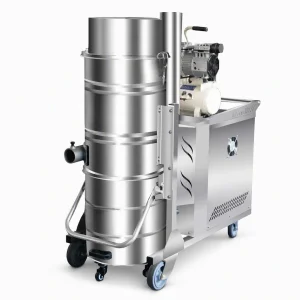
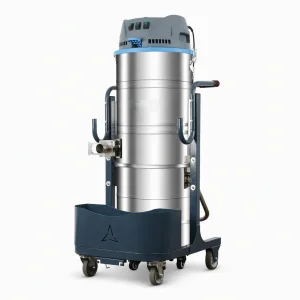
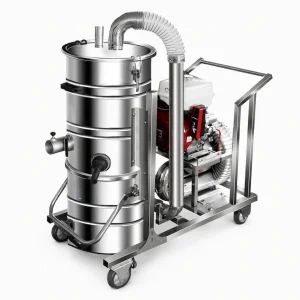
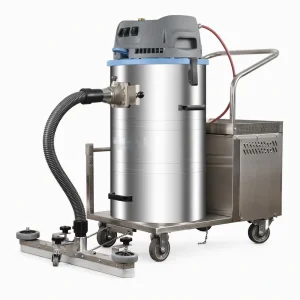
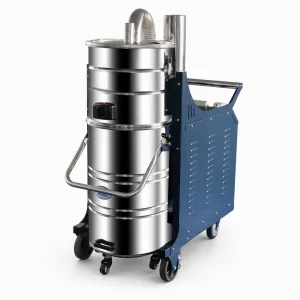
Single-phase industrial vacuum cleaners (like the DK-361ECO) run on standard commercial 110V/220V single-phase outlets, making them highly portable across light assembly areas, woodworking shops, and general contracting sites for intermittent wet/dry cleanup. In contrast, three-phase vacuum cleaners (such as the DK-221VAC and DIKE-221FC) feature continuous-duty side-channel turbine blowers designed to operate 24/7 without thermal shutdown. They are essential in heavy manufacturing for collecting heavy metal shavings, abrasive slurry, chemical powder, and fine silica dust via reverse-pulse filtration.
To ensure optimal equipment matching, distributors and plant buyers should specify: (1) Total square footage and required shift cleaning window; (2) Substrate material (polished concrete, epoxy resin, anti-slip tile, terrazzo, or asphalt); (3) Predominant soil type (ambient dry dust, forklift rubber, viscous grease, or food starch); (4) Minimum aisle width and maximum ramp incline; and (5) Regional electrical parameters (voltage, frequency, and plug standard) for on-board charging systems.
Traditional AGM/lead-acid battery packs feature lower initial acquisition costs, but require 8–10 hours of uninterrupted charging plus cooling periods, limiting operations to single-shift use unless entire battery trays are mechanically swapped. Modern Lithium Iron Phosphate (LiFePO4) options support opportunity fast charging (charging during 30-minute worker meal breaks), deliver over 3,000 charge cycles, and emit zero hydrogen gas during charging—eliminating dedicated ventilated battery rooms and enabling continuous 24/7 facility operations.
All export machinery is crated within ISPM-15 compliant fumigated plywood structures with moisture-barrier vacuum bagging and internal steel-strapped chassis anchor blocks to prevent transit vibration damage during ocean freight. DIKE maintains complete component inventory for every exported model (squeegee blades, vacuum motors, drive controllers, solenoid valves, and brush gears), guaranteeing dispatch of critical service parts within 24 to 48 hours to minimize client downtime.