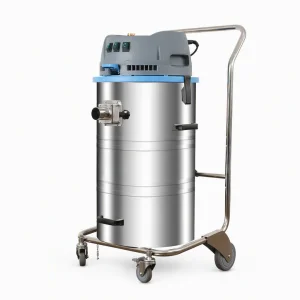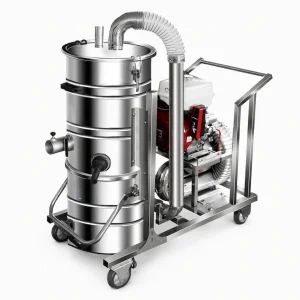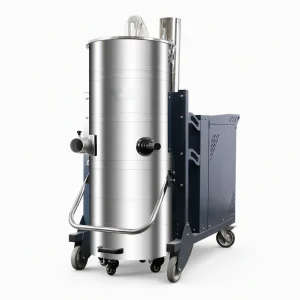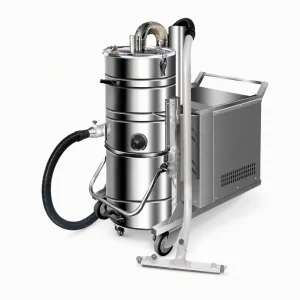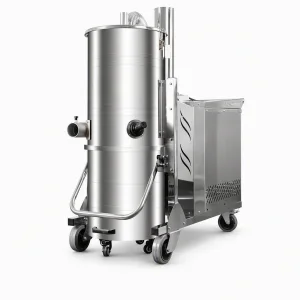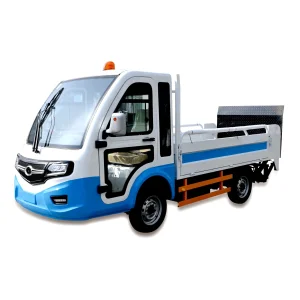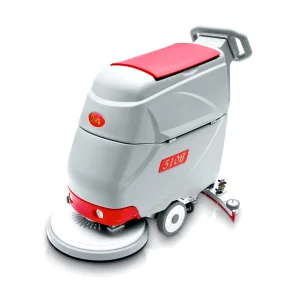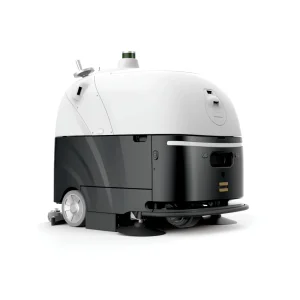
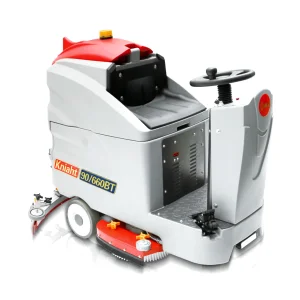
Engineered in Wenzhou, China: Precision-built ride-on scrubbers, heavy debris extractors, and unmanned industrial cleaners designed for rigorous operational continuous cycles.
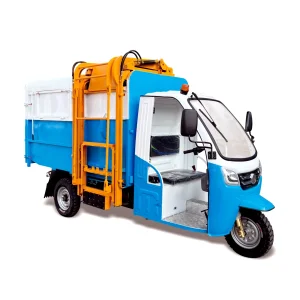
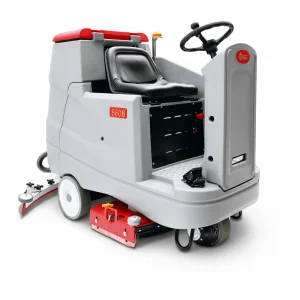
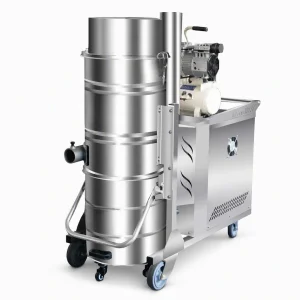
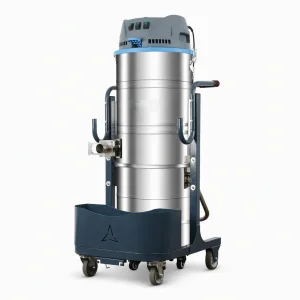
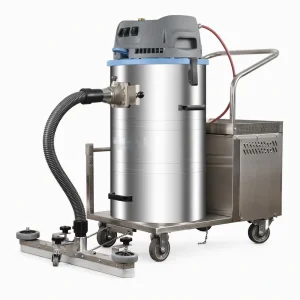
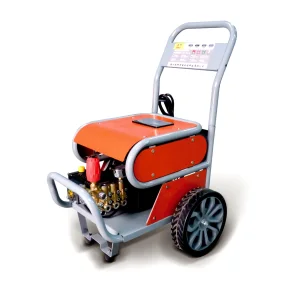
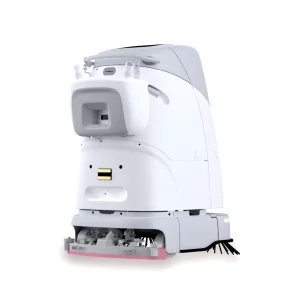
The global commercial and industrial sweeping machine market is undergoing a seismic paradigm shift driven by stringent occupational hygiene protocols, escalating urban facility footprints, and chronic labor deficits.
Industrial facility managers globally report a 34% drop in manual cleaning staff retention. Ride-on vacuum sweepers solve structural shortages by amplifying single-operator productivity up to 8,000–12,000 m²/h, representing an 8x throughput multiplier over walk-behind manual operations.
Regulatory authorities across the EU (CE Machinery Directives) and North America (OSHA crystalline silica mandates) impose strict limitations on airborne particulate redispersal. Modern sweepers require multi-stage HEPA pulse-jet vacuum filtration rather than obsolete dry broom systems.
Internal combustion engine (ICE) sweepers are rapidly being phased out from indoor and cross-docking hubs due to emissions and noise pollution. The industry is accelerating toward LiFePO4 battery platforms that allow opportunity rapid-charging, zero fumes, and continuous 5-hour runtime.
A breakdown of mechanical kinematics, negative-pressure aerodynamics, and dynamic scrub-sweep mechanisms manufactured inside our Wenzhou production facilities.
| System Architecture | Engineering Specifications | Operational Function | Comparative Benefit over Low-Cost Standard |
|---|---|---|---|
| Direct-Throw Main Broom | Chevron V-pattern polypropylene + steel wire filament (700-1100mm) | Channels heavy aggregates (bolts, wood scraps, metal filings) into central hopper. | Prevents projectile debris expulsion; yields 98.4% single-pass pickup efficiency. |
| Vacuum Turbine Subsystem | Centrifugal suction motor generating 220–280 mbar static vacuum pressure | Draws micro-suspended particulates into cyclone separation chamber. | Continuous motor cooling bypass prevents thermal shutdown during 8-hour continuous shifts. |
| Filter De-Dusting System | Electric shaker / Reverse pulse jet mechanism with PTFE-coated membrane | Dislodges sub-micron cake layer from filter folds automatically. | Eliminates manual filter removal and prevents suction drop-off in cement/powder plants. |
| Dual-Tank Structural Polyethylene | Rotomolded high-density LLDPE tanks with reinforced impact walls (8mm) | Separates dry dust collection hoppers from secondary scrub detergent fluid. | Resistant to chemical degradation, acid corrosion, and forklift collateral contact. |
| Traction Drive Axle | AC brushless motor (800W–1500W) with electromagnetic regenerative braking | Provides gradeability up to 18-22% across multi-level ramps and parking docks. | Zero maintenance brushes, intelligent electronic differential for zero-turn radius maneuverability. |
Ride-on sweeping configurations must match specific floor substrates, dust bulk densities, and aisle tolerances to prevent prematurely degrading consumables.
Designed for dynamic cross-docking facilities dealing with packaging shreds, pallet fragments, and airborne carton dust. Features narrow turning radii (< 1.8m) to navigate narrow rack aisles without compromising throughput.
Formulated for hot metal shavings, machining coolants, and abrasive abrasive grit. Heavy-gauge steel bumper guards, explosion-proof components (ATEX compliant), and wear-resistant polyurethane skirtings prevent puncture failures.
Equipped with dual side-sweeping brooms, fine mist water sprayers for 100% dust suppression, and high-climb gradeability to conquer steep basement garage ramps effortlessly while producing sub-65 dBA whisper-quiet sound signatures.
Strict HACCP floor sanitation compliance. Utilizes anti-microbial clean water tanks, medical-grade HEPA filtration options, and non-marking elastomeric tires to prevent contamination across cleanroom transition corridors.
DIKE’s R&D trajectory integrates multi-sensor perception, intelligent fleet telemetry, and edge-AI algorithms to bridge the gap between operator-driven machinery and fully automated sweeping fleets.
Real-time cellular transmission of battery health, square footage cleaned, brush down-force pressure, and scheduled preventative maintenance triggers directly to facility dispatch consoles.
Integrating dual LiDAR, ultrasonic edge sensors, and 3D visual SLAM cameras. Allows operators to manually sweep complex spill areas or transition the unit into unattended automatic line-sweeping mode.
Optical AI edge detection scans floor conditions ahead of the vehicle, dynamically throttling brush speed, vacuum power, and misting valves based on debris volume, cutting power waste by 40%.
Wenzhou Dike Intelligent Environmental Protection Technology Co., Ltd. controls the complete value chain—from structural chassis welding and rotational molding to electrical harness assembly.
In-house fluid dynamics modeling and CAD stress analysis ensure structural chassis resilience against real-world facility abuse, providing lasting component lifetimes.
Tailored voltage systems (110V/220V/380V), local plug standards, private labeling, and localized UI dashboards tailored for distributors across Europe, the Americas, and APAC.
Direct access to our certified electro-mechanical application engineering team with guaranteed 24-hour SLA resolution for tender spec validation and aftermarket support.
Rigorous standardized multi-stage end-of-line inspections covering electrical isolation, water leakage prevention, brake responsiveness, and vacuum airflow integrity.
In-depth responses compiled by DIKE’s chief mechanical engineers to solve crucial operational and distributor tender challenges.
Explore DIKE’s full extended production line, including explosion-proof vacuums, gasoline-driven sweepers, multi-barrel removal logistics units, and compact walk-behind scrubbers.