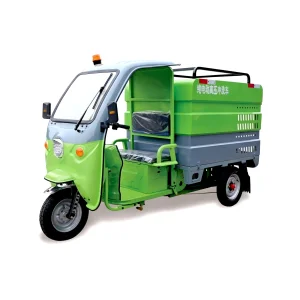
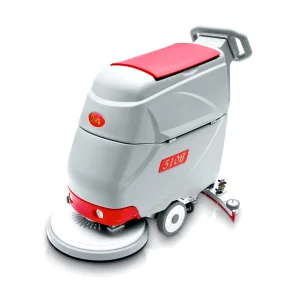
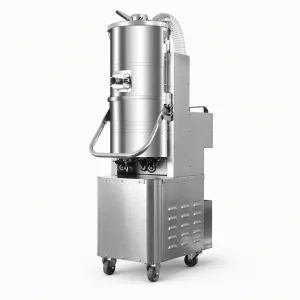
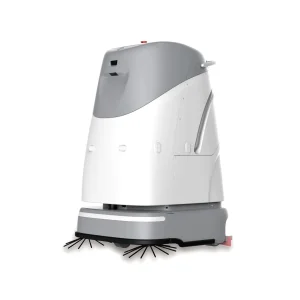
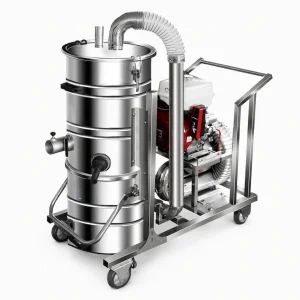
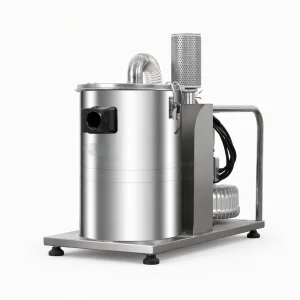
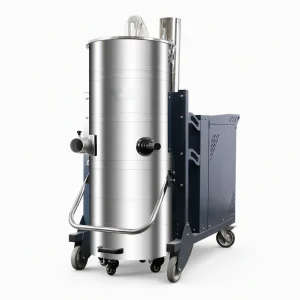
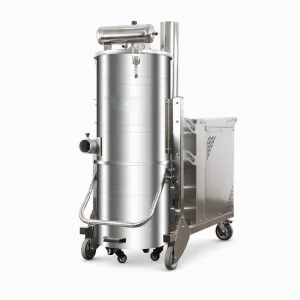
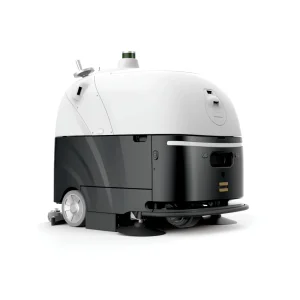
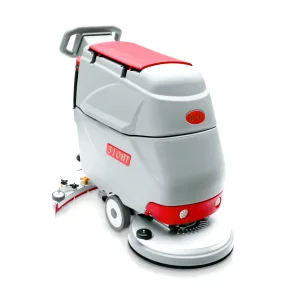
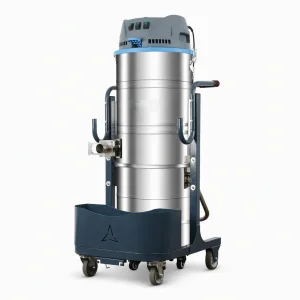
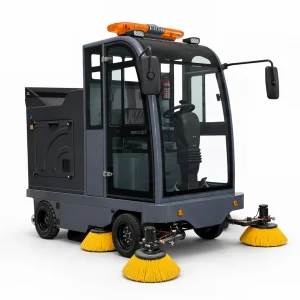
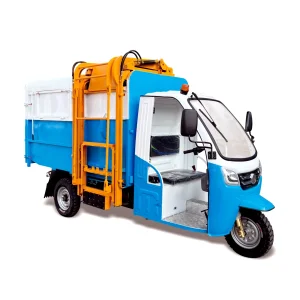
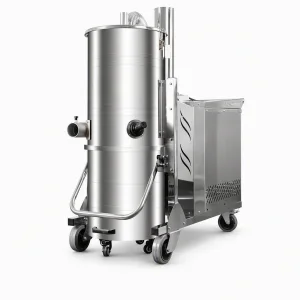
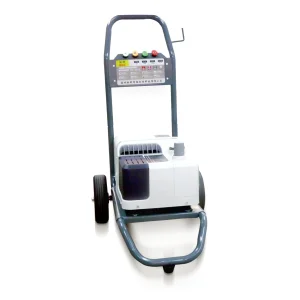
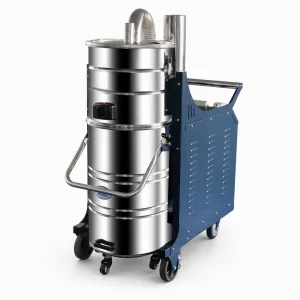
Direct factory delivery of heavy-duty municipal washing vehicles, walk-behind scrubbers, driverless systems, and explosion-proof extraction machinery engineered for heavy commercial and industrial deployments.
A technical assessment of modern mechanized floor maintenance, evaluating operational metrics, particulate filtration, lifecycle depreciation, and ROI metrics across international industrial sectors.
Manual sweeping caps operator throughput at approximately 500 to 800 m²/h, leaving facilities vulnerable to particulate accumulation and silica dust hazards. Industrial ride-on sweepers multiply this efficiency to over 8,500 - 15,000 m²/h per operator shift, compressing maintenance downtime while sustaining stringent ISO 14644-1 ambient cleanliness baselines across sprawling logistical properties.
Global procurement teams evaluate sweeping machinery not as capital expenditures (CapEx), but through the prism of amortized hourly operating cost (OpEx). Integrated brushless DC propulsion, regenerative braking, maintenance-free high-density LiFePO4 battery modules, and quick-change wear components reduce five-year cumulative maintenance costs by up to 42% compared to legacy hydraulic sweepers.
Wenzhou Dike Intelligent Environmental Protection Technology Co., Ltd. (DIKE) eliminates multi-tier broker markups through end-to-end manufacturing: in-house rotational molding, robotic structural chassis welding, CNC drivetrain machining, and ISO 9001 certified assembly lines ensure rapid fulfillment, OEM custom branding, and localized parts accessibility.
Specific environmental contamination profiles require tailored dynamic sweeping solutions. DIKE engineering configures brush geometry, vacuum velocity, and hopper disposal configurations to optimize uptime across divergent vertical industries.
High-turnover distribution centers battle pallet wood shards, stretch film scraps, and airborne corrugated cardboard fibers. Sweepers deployed here feature oversized multi-vane side brushes, high-torque center brooms with counter-rotation, and expansive waste hoppers to clear congested aisles without stopping floor operations.
Metal casting plants, stamping shops, and automotive plants present dense ferrous fines, abrasive dust, and thermal stress. Reinforced steel tubular frames, abrasion-resistant polyurethane main sweeps, and high-frequency electric shaker filter mechanisms ensure zero filter clogging under heavy particulate loads.
Food processing, chemical packing, and electronics manufacturing facilities must adhere to strict zero-fume and minimal noise guidelines. Sealed brushless traction units paired with anti-static filtration media and splash-guarded dampening skirts contain microscopic particulates without creating secondary dust clouds.
Aircraft hangars, intermodal passenger terminals, and rail maintenance yards demand non-marking tires, dynamic turning radiuses under 1.8 meters, and micro-debris collection capable of picking up small hardware (FOD prevention) across vast, high-visibility concrete aprons.
Inside DIKE's clean-running electric sweeping and scrubbing platforms: automotive-grade components engineered for continuous operation, low heat generation, and simplified maintenance.
| Functional System | Legacy Sweeper Configurations | DIKE Intelligent Engineering Benchmark | Operational Advantage |
|---|---|---|---|
| Powertrain & Traction | Brushed DC motor or hydraulic fluid pump | Brushless AC/Permanent Magnet Synchronous Motor (PMSM) | Zero Maintenance 28% higher torque efficiency on 18% incline ramps. |
| Dust Suppression & Filtration | Single paper pleat filter with manual shake | Dual-stage cyclone + PTFE hydrophobic barrel filter with automated electric pulsator | 99.8% Retention Traps 0.3-micron particulate matter, eliminating exhaust blow-out. |
| Chassis & Body Shell | Stamped sheet metal with paint coat | One-piece rotomolded linear low-density polyethylene (LLDPE) + robotic seam-welded alloy base | Corrosion-Proof Absorbs low-speed forklift collisions without permanent structural warping. |
| Broom Dynamics | Fixed speed belt-driven cylindrical brush | Floating self-leveling floating chevron brush roll with electronic down-pressure load compensation | +40% Lifespan Uniform floor contact regardless of undulating concrete joints or expansion seams. |
| Energy Management | Lead-acid / flooded wet cell batteries | Modular automotive-grade LiFePO4 battery banks with integrated active thermal balancing BMS | Rapid Charge 2-hour opportunity charging allows dual-shift operations without battery swapping. |
Industrial facility management is evolving from manual control to data-integrated, autonomous cleaning networks. DIKE's multi-generational R&D roadmap outlines this technological transition.
Every modern DIKE industrial platform integrates deep CAN-bus telemetry. Global fleet managers monitor real-time operating metrics, geographical zones (geofencing), battery state of health (SoH), brush wear coefficients, and component fault codes via remote cloud dashboards, eliminating unscheduled downtime.
Blending manual ride-on versatility with autonomous coverage. Operators clear irregular obstructions, then engage autonomous path-tracking for expansive square layouts. Multi-sensor fusion incorporating 3D LiDAR, stereoscopic depth cameras, and ultrasonic bumpers guarantees collision-free travel around warehouse workers and dynamic AGVs.
Self-docking industrial sweepers automatically align with high-capacity dumping hoppers, empty collected dry waste, dock for continuous high-amperage inductive recharging, and replenish water tanks in combined scrubber-sweeper models—delivering 24/7 unassisted sanitization for dark warehouses.
Purchasing machinery from China requires transparent quality documentation and responsive aftermarket support. DIKE backs every machine with rigorous factory testing and structured international warranties.
All DIKE units feature European CE Marking (Machinery Directive 2006/42/EC, Low Voltage Directive 2014/35/EU, EMC Directive 2014/30/EU). In North American and Australian markets, electrical controls and power distribution are engineered to meet UL, CSA, and AS/NZS electrical safety standards.
Prior to crating, each production-run sweeper undergoes an automated 48-hour QA testing protocol: continuous roller-bench chassis stress testing, incline stall-torque assessment, vacuum suction water-lift testing (measured in kPa), and water-tightness chamber testing to guarantee real-world reliability.
Through our global network—including direct service offices in India and distributor partnerships throughout Europe, South America, and the Middle East—we ship critical wear items (sweeping brooms, squeegees, suction motors, filter cartridges) within 24 to 48 hours to keep your fleet running.
Direct technical answers from DIKE's chief application engineers to help streamline your procurement decisions.
Explore DIKE's specialized driverless scrubbers, high-capacity three-wheeled sweepers, explosion-proof extraction systems, and multi-phase industrial vacuum units.