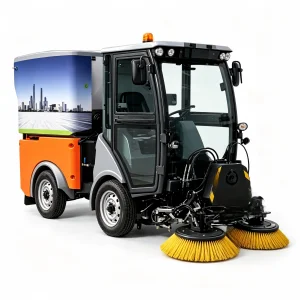
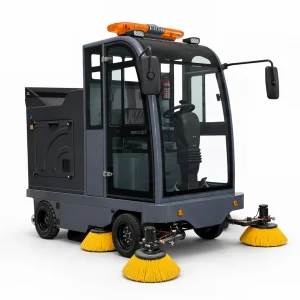
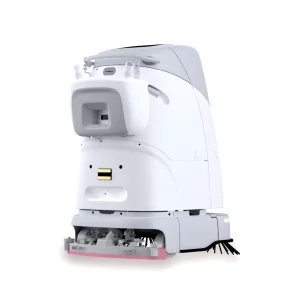
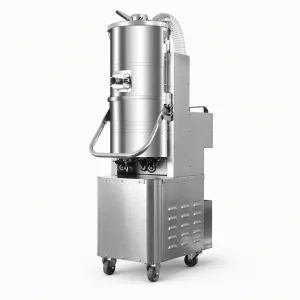
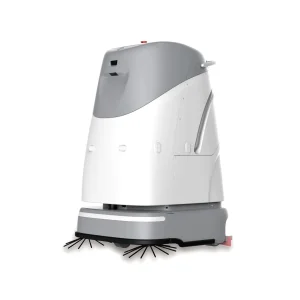
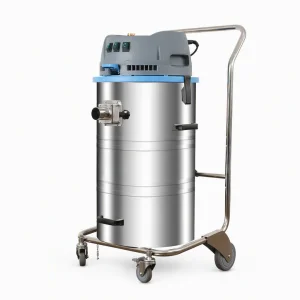
Engineered for harsh operating parameters, continuous particulate containment, and industrial debris recovery across commercial facilities, logistics centers, and municipal hubs.
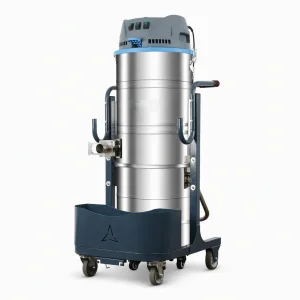
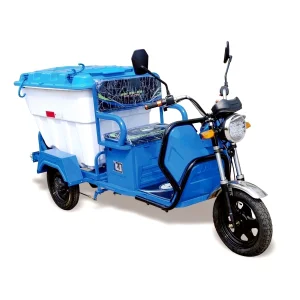
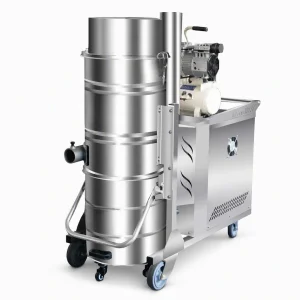
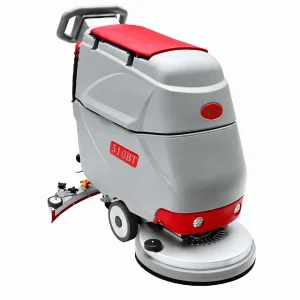
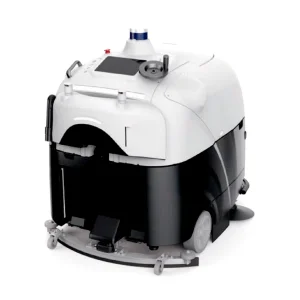
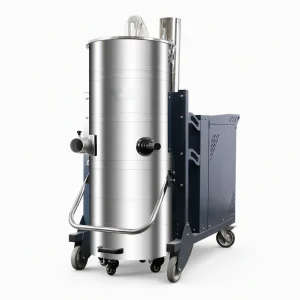
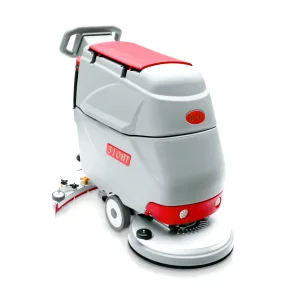
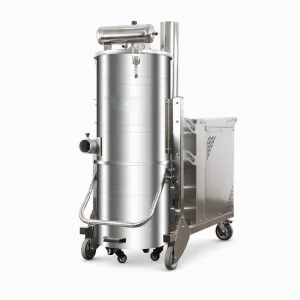
The global mechanical cleaning market is undergoing a seismic technological shift. Municipal authorities, logistics conglomerates, port authorities, and industrial manufacturing plants are aggressively replacing legacy internal combustion engine (ICE) sweepers with fully electrified, high-efficiency ride-on street sweepers. This transition is not merely driven by carbon net-zero commitments; it is dictated by the total cost of ownership (TCO), stringent particulate emission standards (PM10 and PM2.5 certifications), and the necessity for low-noise continuous operations in mixed urban and factory environments.
Historically, traditional diesel-driven street sweepers relied heavily on high-displacement auxiliary engines to drive high-vacuum blowers and mechanical broom gearboxes. These architectures suffered from severe energy loss (often exceeding 45% thermal inefficiency), frequent hydraulic leaks, high mechanical vibration, and exorbitant maintenance downtime. In contrast, modern electric ride-on sweepers engineered by top-tier Chinese manufacturing centers harness Brushless DC (BLDC) direct-drive motors, high-voltage battery management systems (BMS), and fluid-dynamic optimized vacuum ducting. This structural evolution delivers up to 92% electromechanical efficiency while reducing decibel levels below 68 dB(A) at maximum sweep throttle.
Procurement directors and municipal contract engineers evaluate utility sweeping assets through several vital performance prisms.
Lead-acid packs are rapidly being phased out due to acid degradation, low depth-of-discharge (DoD), and toxic vapor risks. Global buyers now specify automotive-grade LiFePO4 battery modules equipped with active thermal balancing, enabling over 3,500 charging cycles, opportunity quick-charging (80% state of charge within 90 minutes), and safe high-ambient operations up to 55°C.
Regulatory bodies across the EU (EN 15429-3), North America (SCAQMD Rule 1186), and the Middle East strictly penalize equipment causing secondary fugitive dust plumes. Leading Chinese plants incorporate high-pressure water misting nozzles coupled with multi-stage cyclonic separation and PTFE-coated HEPA filter cartridges with pneumatic reverse-pulse cleaning.
Modern ride-on sweepers are IoT edge nodes. Integrated Controller Area Network (CAN-Bus) systems monitor real-time motor temperature, brush down-pressure, filtration delta pressure, and battery degradation curves. Data streams feed centralized fleet portals via 4G/GPS modules, giving fleet operators early diagnostic alerts before part seizure occurs.
Labor turnover in the municipal sanitation sector exceeds 35% annually in major metropolitan centers. Equipment that requires complex operator calibration invites failures. Modern sweepers feature one-button startup sequences, fully adjustable pneumatic suspension seating, high-visibility panoramic cabs, and color touchscreen diagnostic clusters.
China's industrial cleaning equipment manufacturing cluster—anchored predominantly across Zhejiang, Jiangsu, and Shandong provinces—has evolved from labor-intensive assembly lines into fully digitized, highly integrated Industry 4.0 smart factories. This spatial clustering offers global procurement teams unmatched lead-time predictability and architectural flexibility.
Within a 50-kilometer radius of industrial centers like Wenzhou, manufacturing facilities have direct access to automated fiber-laser tube cutting, multi-axis robotic welding cells, specialized rotomolding plants producing crack-resistant cross-linked high-density polyethylene (XLPE) solution/recovery tanks, and state-of-the-art cathodic electrophoretic coating (E-coat) lines that prevent chassis oxidation in high-salinity coastal environments.
Unlike Western equipment manufacturers bound by rigid assembly line runs, Chinese Tier-1 suppliers maintain modular chassis architectures. A single base frame can be tailored into:
Winter packages with heated cab glass, heated lithium pack enclosures, and heavy snow plows, or Gulf Desert configurations with oversized oil coolers, dual air filtration, and reinforced A/C heat pumps operating up to 58°C.
Articulated steering for extremely tight European historic centers, or robust 3-wheel rear-steer chassis for maximum maneuverability in indoor logistics hubs, complete with both Left-Hand Drive (LHD) and Right-Hand Drive (RHD) type homologations.
Global component interoperability through standardized procurement: Curtis (USA) & Inmotion traction controllers, Italian Amer transaxles, Parker hydraulic valving, and CATL/EVE battery chemistries ensure universal parts availability worldwide.
Data audited over 4,000 operational hours comparing Tier-1 Chinese electric ride-on platforms with conventional diesel-powered municipal sweepers.
| Evaluation Parameter | China Pure Electric Ride-On (LiFePO4) | Traditional Compact Diesel Sweeper | Strategic Impact on Fleet Operators |
|---|---|---|---|
| Operating Fuel/Energy Cost | $1.80 – $3.20 per 8-hour shift equivalent | $34.00 – $52.00 per 8-hour shift equivalent | Saves over 90% in day-to-day energy expenditure, immunizing fleets from diesel price spikes. |
| Scheduled Maintenance Interval | 1,000 Hours (Inspection, brush wear, filters) | 250 Hours (Oil, oil filters, DEF, belt tension) | Cuts maintenance labor by 70%; eliminates messy oil changes and auxiliary engine rebuilds. |
| Operational Noise (Acoustic) | < 68 dB(A) at 5 meters distance | > 86 dB(A) at 5 meters distance | Enables 24/7 round-the-clock municipal sweeping, hospital zones, and residential night operations. |
| PM10 / PM2.5 Secondary Emission | Class-A Multi-stage pulse HEPA (>99.5%) | Variable (Often unrated open cyclonic or wet) | Complies with strictest European, Australian, and North American air quality regulations. |
| Braking & Energy Regeneration | Regenerative electro-magnetic braking | Frictional mechanical drum/disc braking only | Recovers up to 12% kinetic energy during down-ramp deceleration; triples brake pad lifespan. |
| Initial Capital Expenditure (CapEx) | Moderate ($15,000 – $35,000 typical export FOB) | High ($65,000 – $110,000 typical European unit) | Allows distributors and contractors to deploy 2 to 3 machines for the price of 1 legacy Western unit. |
Field deployment engineering reports highlighting how Chinese ride-on sweeping platforms resolve distinct regional operational hurdles.
Site: King Abdullah Economic City logistics zone & Dubai freeport plazas.
Challenge: Fine airborne silica dust clogging traditional dry paper filters and ambient heat triggering thermal throttling.
Engineered Solution: High-volume water atomization misting bars mounted over twin side brushes, oversized 60-liter auxiliary water tanks, and dual centrifugal cyclonic pre-filters that isolate 95% of fine sand prior to reaching the washable polyester HEPA cartridge. IP67-rated brushless motors withstand fine sand ingress.
Site: Historic municipal cores across Italy, France, and Belgium.
Challenge: Narrow streets (< 1.8m width), irregular cobblestones, zero tolerance for exhaust fumes, and tight noise curfews.
Engineered Solution: Ultra-compact ride-on sweeping chassis with articulated rear-wheel steering yielding a 1.2-meter turning radius. Floating brush head suspensions automatically contour to sunken pavers, while poly-wire blended bristle brushes dislodge stubborn organic matter without scoring heritage paving stones.
Site: Heavy industrial manufacturing yards and automotive fabrication complexes.
Challenge: High-density metal shavings, sharp slag, heavy oil films, and rugged indoor-outdoor ramp grades.
Engineered Solution: Heavy-gauge reinforced structural steel bumper guards, non-marking high-traction solid polyurethane tires immune to steel-puncture blowouts, high-torque 1,800W transaxle drive capable of 22% grade climbing, and magnetic pickup crossbars.
When sourcing industrial floor sweepers and street sweepers from Chinese suppliers, enterprise buyers must move beyond surface-level aesthetic inspections and price-per-unit negotiation. Long-term fleet profitability relies upon deep structural and electromechanical auditing. Professional sourcing teams should implement a rigorous four-phase verification rubric prior to container booking.
Industrial sweepers operate constantly in corrosive environments, exposed to water, road salts, acidic debris, and industrial cleaners. Low-tier assemblers often utilize simple spray paint over cold-rolled steel. Ensure your supplier provides multi-stage zinc-phosphate immersion followed by electrostatic cathodic electrophoretic deposition (E-coating), yielding a minimum salt-spray test endurance of > 800 hours without bubbling or rust creep.
The principal failure mode of poorly manufactured sweepers is moisture ingress into the electrical loom. Demand IP65 or IP67 ratings across all wiring harnesses, automotive-grade Deutsch waterproof connectors, and isolated high-current solid-state relays. Controllers must be mounted in sealed die-cast aluminum heat sinks away from hopper moisture and suction turbulence.
For street sweepers equipped with hydraulic high-dump hoppers (discharging at 1.4m to 1.6m directly into municipal refuse bins), inspect cylinder chrome plating thickness, hydraulic hose burst pressure ratings (minimum 4x working pressure), and mechanical anti-drop safety valves that prevent hopper collapse in the event of hydraulic line rupture.
Ensure that wear consumables—such as side disc brushes, main cylindrical chevron roller brushes, squeegee blades, and drive belts—utilize standard quick-change dimensions or readily available aftermarket mountings. High-performing suppliers provide complete illustrated parts breakdown (IPB) manuals with standardized international part numbers.
Direct engineering answers to the critical questions asked by international municipal procurement directors and commercial distributors.
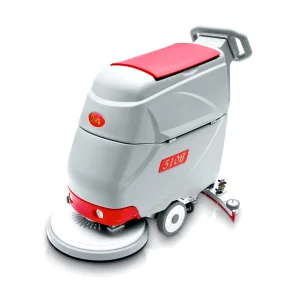
A ride-on sweeper is an aggressive dry-debris extraction machine utilizing high-speed rotating side brooms to flick gravel, leaves, sand, packaging, and dust into a high-capacity dry hopper aided by powerful suction fans and filtration. A scrubber dryer is a wet floor remediation tool that deposits water/detergent, scrubs using disc pads to strip grime/oil, and immediately vacuums up the sludgy slurry via a rear squeegee. In heavily soiled facilities, sweepers must clear loose solids before scrubbers can wash the floor without plugging squeegee channels.
Lithium Iron Phosphate provides a 100% usable Depth of Discharge (DoD) without voltage sagging, maintaining consistent brush RPM and vacuum suction from 100% down to 5% battery capacity. In contrast, lead-acid batteries lose sweeping torque below 50% discharge. Furthermore, LiFePO4 eliminates battery acid boil-over during high-temperature charging, requires zero deionized water replenishment, charges in 1.5–2 hours vs. 8–10 hours, and reduces equipment gross weight by 35%—substantially extending tire and transaxle longevity.
Export-focused factories build equipment compliant with the Machinery Directive 2006/42/EC, Low Voltage Directive 2014/35/EU, and Electromagnetic Compatibility (EMC) Directive 2014/30/EU. Critical electrical sub-assemblies carry individual UL, CE, and TUV marks. Prior to dispatch, complete technical documentation files (TCF), electrical circuit diagrams, risk assessment reports, and noise/vibration emission certificates are validated by accredited third-party notified bodies like SGS or TÜV Rheinland.
Standard production lead times for configured electric ride-on sweepers range from 15 to 25 business days. In terms of freight logistics, units are shipped on custom-welded steel pallets encased in high-strength impact-resistant cardboard or wooden crates with ramp packaging. A standard 40ft High Cube (40HQ) container typically accommodates 8 to 12 compact ride-on sweepers or 4 to 6 large fully-enclosed street sweepers with high-dump hoppers.
Yes. Ergonomically designed commercial sweepers feature tool-less quick-change mechanisms. Main chevron brooms utilize self-aligning spline shafts that drop via a single thumb-screw or latch mechanism within 3 minutes. Side disc brushes use center retaining clips or magnetic drop-locks. This ensures daily operators can swap bristle types (e.g., from soft polypropylene for indoor polished floors to stiff steel wire for outdoor compacted dirt) without calling field technicians.
Enterprise factories supply a baseline 12 to 24-month comprehensive warranty covering major structural components, chassis, motors, and controllers, with battery warranties extending up to 3 to 5 years on premium Tier-1 lithium configurations. For international fleet support, manufacturers dispatch complete fast-moving warranty spare parts kits (10% extra wear items) alongside initial container deliveries, supported by 24-hour English-speaking application engineering desks.
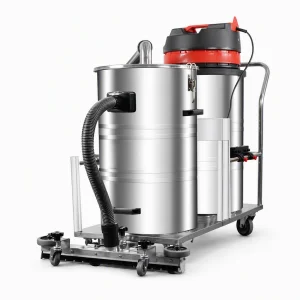
Autonomous floor scrubbers, fully-enclosed all-weather street sweepers, and specialized industrial vacuums tailored for severe operational environments.