China Commercial Vacuum Cleaners Manufacturers & Factories

Precision-Engineered Industrial Extraction Systems, Pulse-Jet Dust Collectors, and Autonomous Surface Scrubber-Dryers Built for Resilient Global Supply Chains.

Primary Lineup

High-Efficiency Floor Scrubbers & Industrial Extraction

Direct OEM/ODM industrial manufacturing output engineered in Wenzhou, China. Tested against rigorous European and North American durability criteria.

Industry Intelligence

Macro Dynamics in Global Commercial & Industrial Cleaning Machinery

An authoritative breakdown of filtration thresholds, escalating occupational health standards, and Chinese manufacturing supply chain integration.

99.97%

HEPA Filtration Standard (0.3 Micron Trap Efficiency)

24/7

Continuous Duty Cycle for Three-Phase Induction Motors

35-45%

Direct TCO Reduction via Chinese OEM Component Integration

IP54/55

Motor Enclosure Rating for Hostile Industrial Ambient Environments

Stringent Regulatory Mandates (OSHA & ATEX)

Global manufacturing facilities face rigorous workplace health and safety audits targeting respirable crystalline silica (RCS), toxic combustible dusts, and fine aerosol contaminants. Premium commercial vacuums engineered in modern Chinese facilities incorporate certified multi-stage H-class HEPA configurations, delivering documented compliance for global procurement officers.

The Autonomous Paradigm Shift

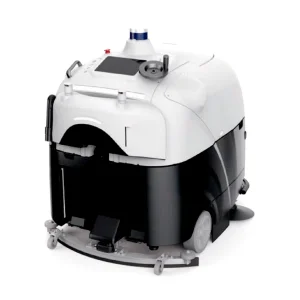
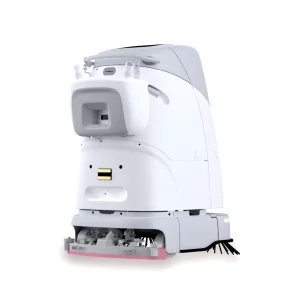
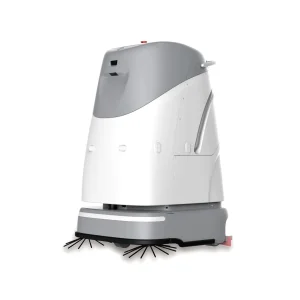
Facility maintenance operators are actively navigating acute labor bottlenecks across North America and Western Europe. By coupling localized telemetry sensors, edge-computing LIDAR units, and intelligent suction modulation, autonomous floor scrubbers ensure steady, verifiable square-meter cleanliness while reducing overall long-term human resource allocations.

China’s Supply Chain Ecosystem Synergies

China's specialized industrial clusters—such as the Wenzhou precision equipment hub—yield exceptional vertical supply integration. From brushless turbine casting and rotational-molded high-density polyethylene (HDPE) solution tanks to lithium-iron-phosphate (LiFePO4) management circuits, tier-one factories compress rapid prototyping cycles from months to days.

Technical Matrix

Engineering Architecture & Facility Application Framework

Comprehensive operational parameters for plant engineers, procurement directors, and distributor channel executives evaluating deployment feasibility.

Deployment Environment Predominant Contaminants Optimal Architecture Selection Engineering Value Proposition
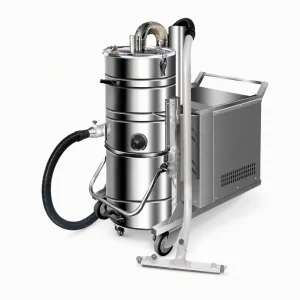
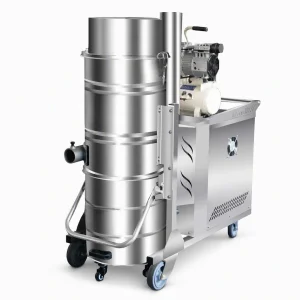
Heavy CNC Machining & Tooling Centers Metal swarf, sharp cutting chips, coolant lubricants, petroleum oils Three-Phase Continuous Vacuum (e.g., DIKE-221FC Series) Side-channel blowers engineered for 24-hour uninterrupted runtimes; specialized mechanical cyclonic separators to prevent filter liquid saturation.
Automated Logistics & Fulfillment Warehouses Corrugated cardboard fibers, tire rubber abrasion, fine concrete particulate Autonomous Scrubber + Twin-Tank Vacuums (SC80S / DK-361ECO) Eliminates abrasive grit damaging floor epoxy finishes while ensuring complete water lift within a single pass to eliminate transport slippage.
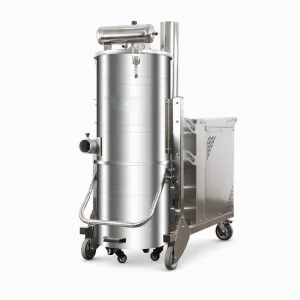
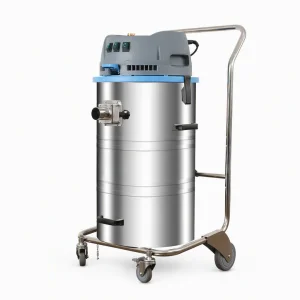
Pharmaceutical Cleanrooms & Laboratories Micro-particulates, chemical reagents, sterile room residue Dual-Barrel Stainless Multi-Stage Pulse Unit (DK-221MFC) AISI 304 stainless steel chambers minimize bacterial adhesion; pulse-jet automated back-blowing prevents cross-contamination across production batches.
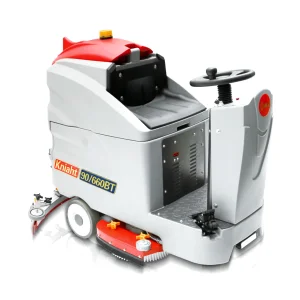
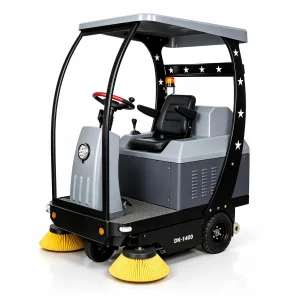
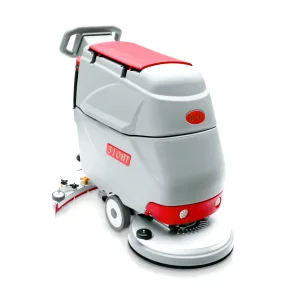
Commercial Retail, Transit Hubs & Airports Foot traffic dirt, spilled liquids, ambient organic pollutants Walk-Behind & Compact Ride-On Scrubbers (510BT / KNIAHT 90) Acoustically insulated turbine housings running below 65 dBA for discreet operational performance during peak consumer operation hours.
B2B Procurement Guidelines

Key Verification Checkpoints for Global Buyers

Essential due diligence protocols when auditing Chinese manufacturing plants for high-volume supply and private-label contract manufacturing.

Motor Engineering

Verify whether vacuum turbines feature bypass cooling mechanisms or direct-flow motors. Heavy commercial environments necessitate bypass cooling to isolate electrical commutators from moist debris.

Purge Mechanism Dynamics

Manual shaker systems degrade operator adherence. Inquire whether factories integrate simple reverse-blow systems or solenoid-driven reverse pulse-jet systems to preserve suction flow without chamber disassembly.

Certification & Compliance

Confirm availability of factory test records covering CE (Machinery Directive), UL/CSA conformity, RoHS directives, and ISO 9001:2015 traceability to prevent downstream customs clearance delays.

Component Standardization

Ensure wear components—such as squeegee rubbers, universal castor assemblies, suction hoses, and pleated PTFE cartridges—follow metric ISO standards for effortless aftermarket sourcing.

Heavy Industrial Fleet

Specialized Vacuum Collectors & Intelligent Machinery

Precision-welded stainless tanks, pulse back-blow filtration systems, and lithium-powered autonomous extraction fleets ready for global export.

Technical Clarifications

Frequently Asked Questions: Global Industrial Sourcing

In-depth responses drafted by DIKE application engineering specialists covering mechanical tolerances, international voltages, and minimum ordering guidelines.

What defines the operational boundary between Single-Phase and Three-Phase industrial vacuums?
Single-phase vacuums utilize commutator-driven carbon brush universal motors configured for intermittent use (typically under 2 to 3 consecutive hours). They are ideal for general maintenance, mobile construction cleanup, and workshop applications. In contrast, three-phase vacuums employ continuous-duty induction turbine motors (such as those fitted to the DIKE-221FC) that have no wear-prone carbon brushes and can operate 24 hours a day without thermal decay in demanding steel casting, ceramic firing, and heavy CNC extraction environments.
How does the Pulse Reverse-Blow mechanism enhance filtration longevity compared to standard shakers?
Manual and electric shakers rely on mechanical agitation of the filter media, which often leads to microscopic tearing of PTFE membrane fibers and incomplete particulate release. Automated pulse reverse-blow systems (exemplified in the DK-221MFC) utilize pressurized pneumatic air channels routed against the interior walls of the filter cartridge. This dislodges deeply embedded sub-micron dust cake instantly into the recovery tank without stopping suction operations, maintaining continuous airflow at over 280 m3/h.
Can electrical components be customized to meet target destination grid specifications?
Yes. As a factory-direct manufacturer, DIKE configures drive systems to meet worldwide electrical topologies: 110V/60Hz, 220V/50Hz, 380V/50Hz, 415V/50Hz, or 480V/60Hz. All lithium charging circuits are engineered with international universal power supplies (SMPS) compatible with CE, UL, and PSE certification protocols, ensuring immediate operational readiness upon port arrival.
What are the lead times and Minimum Order Quantities (MOQ) for bespoke OEM branding?
Standard warehouse inventory configurations generally carry an MOQ of 1 to 2 units for performance validation and pilot field trials. For bespoke OEM/ODM manufacturing—including custom body rotational mold coloration, silk-screened client branding, and custom-language UI control consoles—the standard MOQ is 5 to 10 units depending on chassis class, with standard production timelines spanning 15 to 25 business days.