Engineered for kitchen oil-mist absorption, dining-room dust filtration, and heavy-duty grease management under rigorous commercial restaurant standards.
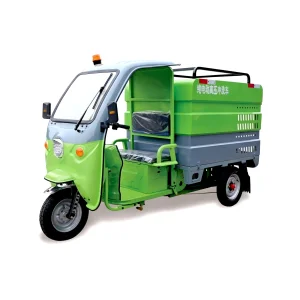
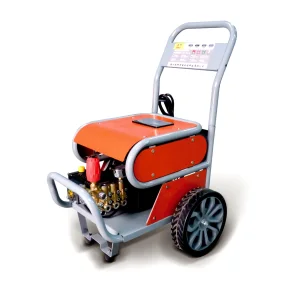
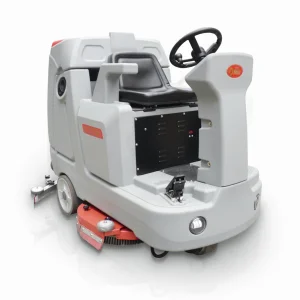
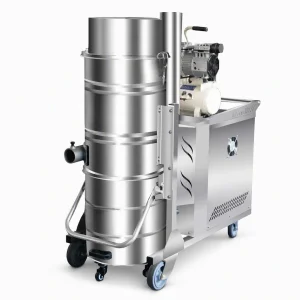
Analyzing cross-contamination hazards, slip-and-fall liabilities, and the shift from domestic tools to specialized commercial-grade restaurant extraction hardware.
The hospitality and foodservice sector has transitioned into an era of zero-tolerance environmental sanitation. In traditional hospitality setups, traditional domestic vacuums or standard dry canisters fail prematurely when exposed to airborne cooking fats, food particulate moisture, and greasy back-of-house (BOH) residues.
Across North America, the EU, and East Asia, stringent regulatory frameworks enforced by agencies such as OSHA, HACCP, and ISO 22000 mandate verifiable dry-floor traction and clean air cycles. As a leading China commercial vacuum cleaners for restaurants factory, DIKE provides specialized wet/dry recovery and HEPA pulse-clearing architectures engineered to prevent motor burnout caused by emulsified kitchen grease.
With restaurant operating margins challenged by rising staff turnover and escalating wage indexes, commercial cleaning cannot rely on multi-operator manual protocols. Traditional mop-and-bucket sanitation merely spreads surface oil slicks, lengthening floor drying times and multiplying dining-room slip accidents.
Commercial-grade restaurant vacuum extraction and scrubber units provide single-pass fluid evacuation. By extracting wet grease-laden liquids and dry floor detritus simultaneously into high-capacity dual tanks, restaurant chains lower cleaning labor expenses by up to 64% while maintaining constant audit-ready compliance.
In modern dining facilities, open kitchens and expansive indoor buffet layouts require spotless indoor air quality (IAQ). Standard restaurant vacuums frequently re-exhaust microscopic oil droplets, organic food allergens, and volatile compounds back into customer dining environments.
Advanced Chinese manufacturing facilities prioritize multi-stage filtration incorporating cyclonic separators, washable PTFE membrane filters, and certified H14 HEPA stages. This ensures front-of-house (FOH) vacuuming during operational prep periods does not emit foul aromas, secondary dust plumes, or irritating motor hums.
Targeted machinery setups matched to exact functional zones—from grease-heavy hot lines to high-traffic dining carpet lanes.
Floor tiles surrounding fryers, broilers, and wok stations collect thick layers of animal lipids and hot cooking oil. Conventional vacuums dissolve their seals in these environments.
High-end restaurant salons, carpeted private banquets, and hardwood bistros require rapid between-seating cleaning with minimum decibel generation.
Meat lockers and seafood preparation zones experience sub-zero floor frosting and high condensation mixes that clog standard bag filters.
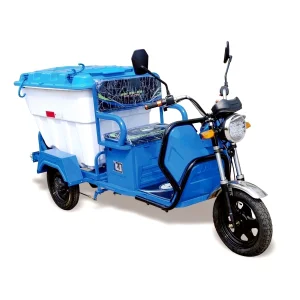
Outdoor restaurant loading docks, grease trap extraction areas, and trash corral bays accumulate severe grime, organic rot, and solid litter.
How China's premier commercial vacuum factories are integrating automation, brushless electronics, and IoT telemetry into restaurant sanitation fleets.
Shift from conventional carbon-brush motors to digital brushless DC (BLDC) power plants. Operating efficiency climbs from 42% to above 86%, drastically minimizing internal heat generation during continuous restaurant deep cleans.
Implementation of automatic self-clearing pulse jet filtration prevents particulate cake buildup when extracting flour powders, baking starches, and fine spices in commercial bakery operations.
Elimination of trailing power cords in dynamic restaurant layouts. High-energy-density LiFePO4 battery modules supply continuous 2.5-hour operating sessions with rapid 45-minute boost recharge cycles during shift breaks.
Structural housings utilize impact-resistant, chemical-grade rotational molded polymers that resist corrosive degreasing detergents and food-acid exposure without rusting or stress cracking.
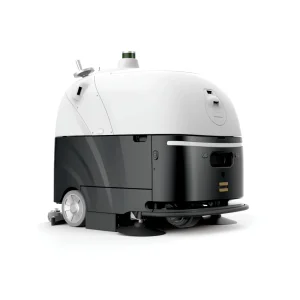
Integration of LiDAR, ultrasonic edge sensors, and visual SLAM on autonomous scrubber-dryers such as the SC80. Machines map dining layouts, navigate table leg matrices dynamically, and execute nightly sanitizing patterns unattended.
Cloud-connected IoT modules record square-meter coverage, water throughput, and battery lifecycle data, providing chain operators with auditable HACCP digital cleaning logs.
Comprehensive procurement engineering for hospitality chains, industrial central kitchens, and food processing facilities.
Prior to wet chemical washdown, floors must be cleared of loose bones, napkins, produce trim, and bulk spices. Wet mopping over uncleared solid debris creates mud crusts that ruin drain traps.
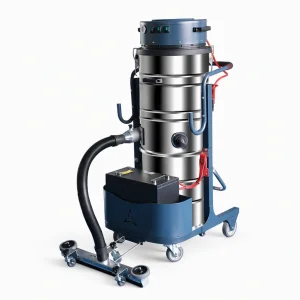
Industrial single-phase and three-phase vacuum machines rapidly pull high-volume debris into dry collection vessels equipped with cyclone separators, reducing post-wash drain blockages by 90%.
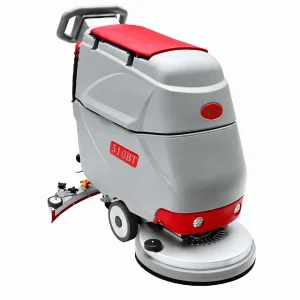
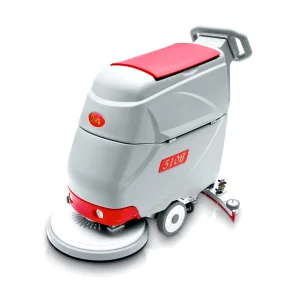
Hot animal fats solidify inside porous grout channels. Hand-push auto scrubbers like the Warrior 510B deliver calibrated pad down-pressure alongside targeted degreaser dispersion.
Controllable solution delivery emulsifies stubborn animal greases instantly, lifting ingrained soil from safety tread tiles that regular mop yarns cannot dislodge.
Residual grease water evaporates into tacky, slick surfaces if left to air dry. Parabolic rear squeegees matched to high-flow bypass vacuum suction pull every drop into separate recovery tanks.
Floors become instantly dry and slip-free, allowing staff to re-enter cooking lines or open dining spaces immediately without requiring hazard cones or shutdown windows.
Essential guidance on certifications, customization options, voltage compatibility, and fleet deployments directly from factory engineers.
Standard vacuums rely on paper bags or simple cloth filters that quickly saturate with aerosolized cooking grease. The resulting oil film clogs airflow pores within minutes, starving the motor of cooling air and causing catastrophic thermal failure. Restaurant-grade factory models feature specialized oil-water separation tanks, hydrophobic PTFE filters, and bypass cooling motors that isolate electrical parts from moist grease fumes.
Yes. As an authentic OEM/ODM manufacturer in Wenzhou, China, DIKE tailors vacuum motors and charging systems to regional requirements: 110V-120V 60Hz for the Americas, 220V-240V 50Hz/60Hz for Europe, the Middle East, and Asia-Pacific, as well as customized 380V-415V three-phase configurations for heavy food factory lines. NEMA, Schuko, UK, and Australian plugs are certified during assembly.
Autonomous units such as the SC80 excel in large dining rooms, food courts, and airport restaurant concessions. Rather than assigning staff to mop floors late into the night, operators set the autonomous scrubber to navigate mapped pathways after closing. The robot cleans and squeegee-dries floors while staff focus on food safety, inventory, and sanitizing kitchen prep surfaces.
Standard factory-configured units have an MOQ of 1 to 5 units for distributor evaluation. For custom OEM branding—including customized chassis colors, silk-screened logos, and bilingual packaging—the typical MOQ ranges between 10 and 20 units depending on the model. Standard production lead times are 15 to 25 business days from CAD approval.
To avoid bacterial growth and grease solidification, the wastewater tank should be rinsed with warm water and mild degreaser at the end of each work cycle. The squeegee blades and suction intake must be wiped clean, and washable HEPA/PTFE filters should be blown out or rinsed weekly. Our factory equips each unit with easy-drain hoses to make daily maintenance fast and clean for restaurant crews.
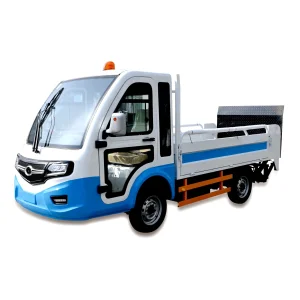
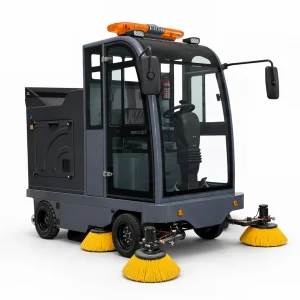
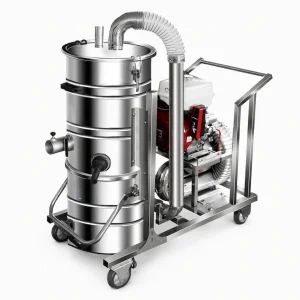
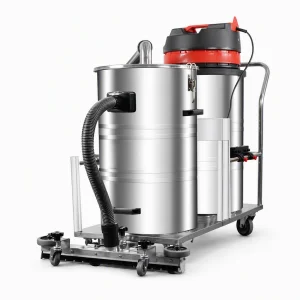
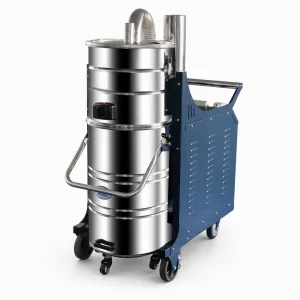
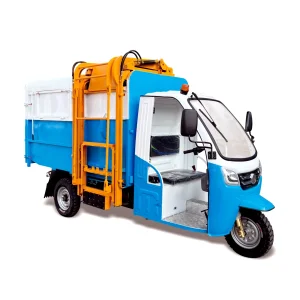
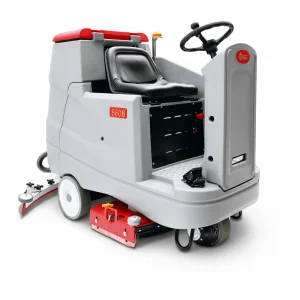
Discover our extended range of sweeping machines, high-capacity waste tricycles, and heavy vacuum units for restaurant back-alleys and hospitality grounds.
Equip your commercial cleaning equipment brand or restaurant service agency with certified floor scrubbers, high-pressure washers, and specialized wet/dry grease vacuums built in Wenzhou, China.