Verified solutions for continuous plant operations, heavy dust mitigation, and commercial sanitization.
A data-backed architectural overview of the transformation from manual vacuuming to heavy-duty, smart extraction frameworks.
Across the international manufacturing ecosystem—from high-throughput distribution hubs in North America to advanced automotive stamping cells in Central Europe—the definition of the "Best Vacuum For Commercial Cleaning" has radically transitioned. Legacy light-duty shop vacuums have proven systematically incapable of surviving continuous multi-shift cycles, particulate loading from silica dust, volatile fine powders, and oily metal chips.
Facility directors face strict environmental health and safety regulations (such as OSHA crystalline silica guidelines and European ATEX dust directive standards). Modern cleaning equipment must provide continuous negative pressure, pulse-jet reverse air filter cleaning, and multi-stage cyclonic separation. This technical requirement has prompted global enterprises to transition procurement pipelines directly to specialized, integrated Chinese engineering facilities that deliver precision-machined stainless-steel turbine housings, robust brushless induction systems, and long-life battery architectures.
Integrated supply networks, end-to-end tooling control, and rapid configuration tailoring give global buyers an agile advantage.
Unlike Western assembly operations reliant on fragmented tier-2 vendors, Chinese industrial manufacturers maintain end-to-end tooling, precision CNC stamping, die-casting, and rotational molding within localized clusters. This infrastructure lowers per-unit tooling capital while accelerating rapid iterations of custom chassis, anti-static fittings, and specialized intake baffles.
Wenzhou DIKE subjects industrial-grade vacuum cleaner prototypes to 500-hour continuous airflow stress cycles, accelerated mechanical drop tests, and thermal dissipation over-stress testing. Units engineered for continuous commercial duty integrate IP54/IP55 electrical containment boxes and high-efficiency bypass cooling circuits.
By bypassing third-party regional distributor markups, procurement departments lower fleet unit acquisition costs by 35% to 50%. Direct factory engagement provides lifetime access to consumable wear components—including HEPA-H14 cartridges, conductive hoses, and carbon-impregnated anti-static collection bags.
From fine textile lint management to hazardous explosion-proof areas, select purpose-built machines matched to site dynamics.
Challenge: Simultaneous suction of abrasive steel swarf, cutting fluids, and heavy coolant slurry.
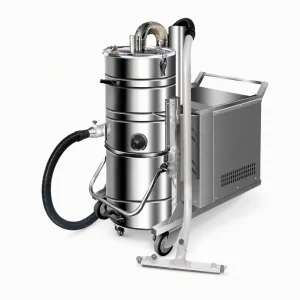
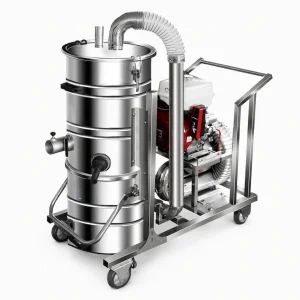
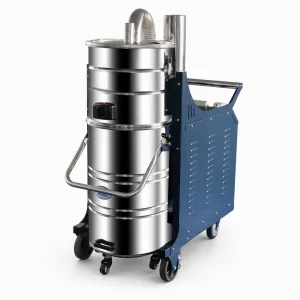
Solution: Dual-barrel stainless steel vacs with bypass oil-mist separation and multi-stage filtration.
Challenge: Lightweight fibrous lint and thread scraps wrapping around standard turbine blades.
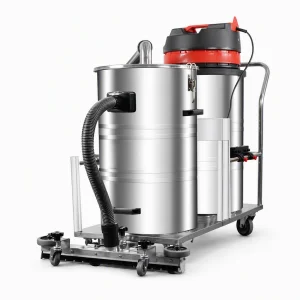
Solution: Twin-tank textile-dedicated vacuum systems with oversized surface filtration bags.
Challenge: Fine, static-inducing particles capable of explosive deflagration.
Solution: DK-EX certified three-phase ATEX-compliant vacuums with full electrostatic grounding and conductive conduits.
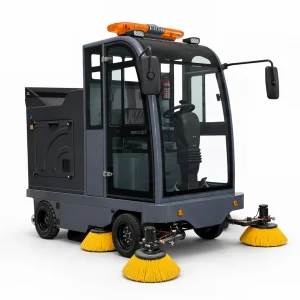
Challenge: Massive open floor plates requiring rapid cleaning without cord hazards.
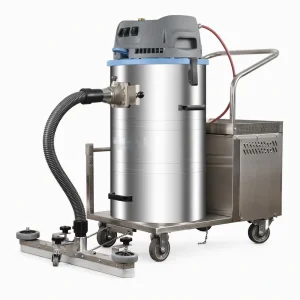
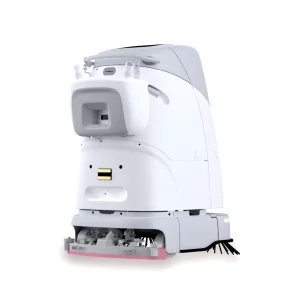
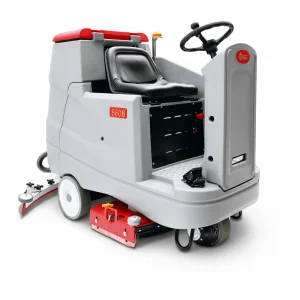
Solution: Heavy-duty lithium battery-powered push vacs and autonomous driverless floor scrubbers.
How the convergence of AI, telematics, and electrification is redefining uptime, throughput, and hygiene standards.
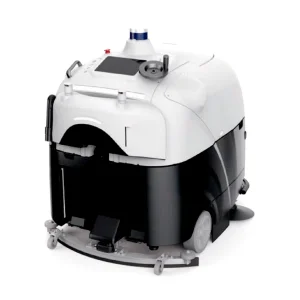
Fixed-route, labor-intensive cleaning is quickly migrating to autonomous robotic scrubbers and collectors. Modern units integrate simultaneous localization and mapping (SLAM), 3D multi-point depth cameras, and predictive obstacle avoidance to clean floor plans during off-shift hours with zero human intervention.
Real-time telemetry networks directly connect vacuum and scrubber fleets to cloud-based facility dashboards. Sensors track motor temperature curves, filter back-pressure states, lithium-ion cell cycles, and square-meter cleaning verification, enabling condition-based preventive maintenance over reactive repairs.
The transition from flooded lead-acid and AGM chemistry toward high-density Lithium Iron Phosphate (LiFePO4) power reserves enables rapid opportunistic charging, provides 3,500+ deep discharge cycles, and eliminates hazardous off-gassing, keeping equipment operational across consecutive 8-hour industrial shifts.
Review the essential performance criteria when selecting commercial vacuum cleaners and scrubbers for procurement programs.
| Equipment Classification | Operating Power & Airflow | Vacuum Suction (mbar) | Filtration Efficiency | Primary Industrial Objective |
|---|---|---|---|---|
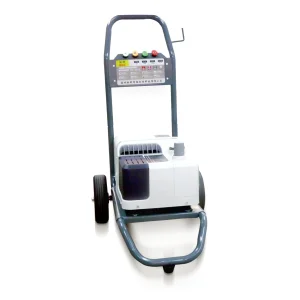
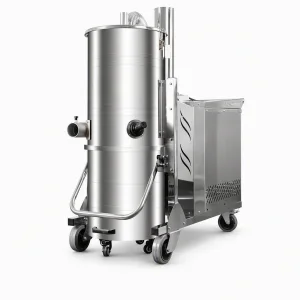
| Dual-Barrel Stainless Heavy Vac | 2200W / 275 m³/h Air Volume | 248 mbar High Suction | Multi-stage Star Filter + HEPA | Dry/wet swarf, metal chips, foundry debris collection |
| Battery Push-Type Industrial Vac | 24V DC / Modular Battery | 180–210 mbar Continuous | Class M Polyester Needle Felt | Unobstructed cord-free logistics corridor maintenance |
| Explosion-Proof Three-Phase Vac | 3.0kW – 7.5kW Continuous Turbine | 280–340 mbar Extreme Lift | Antistatic Conductive HEPA-H14 | Combustible dust, chemical processing, pharmaceutical lines |
| Twin-Tank Textile Vacuum | Multi-stage High-Flow Blower | 160–190 mbar Wide Inlet | Lint-Resistant Outer Screen Filter | Textile lint, fluffy fibers, thread waste mitigation |
| Autonomous Robotic Scrubber | Brushless Traction + High Vac Motor | Dynamic Flow Auto-Regulation | Water Recovery + Cyclonic Separation | Large shopping centers, transit hubs, cleanroom corridors |
Clear, direct answers regarding custom voltage builds, OEM branding, filtration, and international logistics.
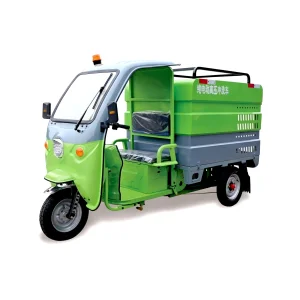
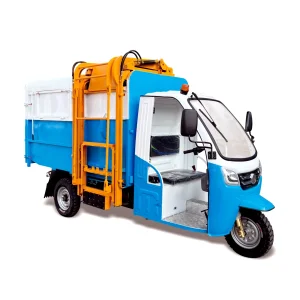
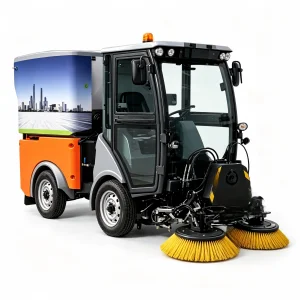
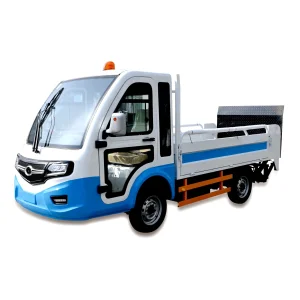
Fleet-level solutions for large-scale logistics corridors, retail centers, and municipal sanitation zones.