How to Choose the Best Hand Push Floor Sweeper?

Time:2026-11-07 Author:Isabella
0%

Choosing a Hand Push Floor Sweeper is less about finding the most impressive machine and more about matching it to the floors, debris, and daily workload. A unit that works well on a smooth warehouse aisle may struggle with uneven paving or damp leaves. The right choice depends on where and how often you plan to use it.

Start by considering the cleaning area and the material you need to collect. Fine dust, paper scraps, and small stones place different demands on brushes and collection bins. Check the sweeper’s working width, hopper capacity, handle comfort, and ability to turn around shelves or parked equipment. A wider model may cover open floors faster, but it can feel awkward in narrow corridors. Small details matter.

Build quality and maintenance also affect long-term value. Look for accessible brushes, replaceable wear parts, and clear instructions for adjustment. Ask how often routine cleaning is needed, especially if hair or packaging strands collect around the brush. Compare the manufacturer’s stated capacity with your actual conditions; figures from smooth, dry floors may not reflect a busy loading area. Not always. Price alone cannot reveal whether a sweeper will remain comfortable after an hour of use.

This guide examines the practical features that help narrow your options, from maneuverability to upkeep. It also considers common trade-offs, because even a well-made sweeper may leave debris in corners or perform poorly on unsuitable surfaces. A careful choice begins with honest expectations—and a close look at the floor you need to clean.
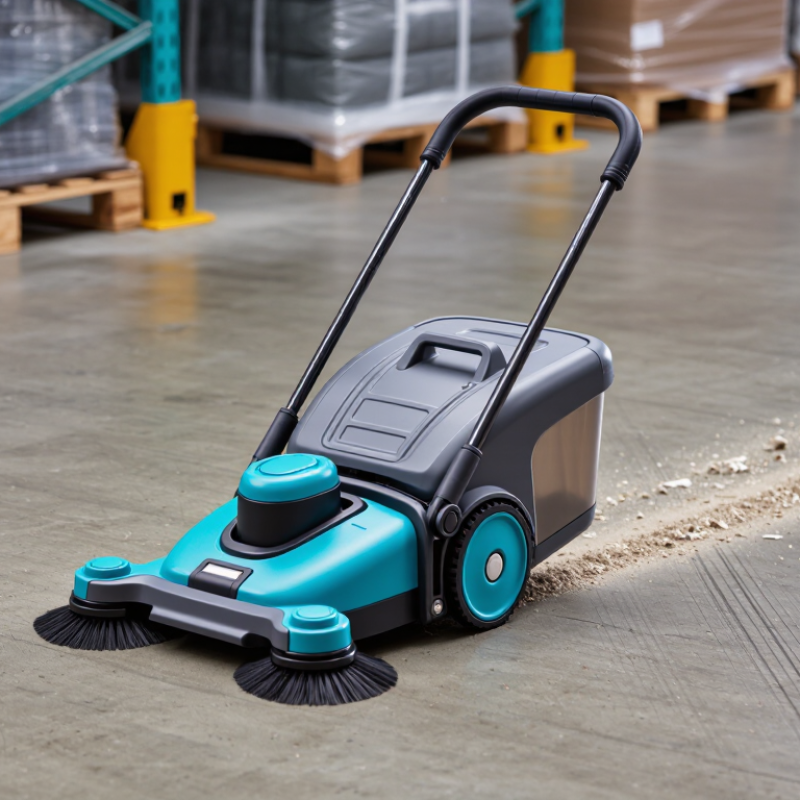
How to Choose the Best Hand Push Floor Sweeper?

Map Debris, Floor Type, and Area Before Comparing Sweepers

How to Choose the Best Hand Push Floor Sweeper?

Before comparing sweepers, note what you need to collect and where it gathers. Fine dust behaves differently from gravel, leaves, or metal shavings. A warehouse entrance may collect damp grit, while an indoor aisle may hold cardboard scraps and powdery debris. Walk the area during a typical shift. Check corners, doorways, and the edges of shelving. Small details count.

Floor type affects pickup and brush wear. Smooth concrete is different from rough pavement, textured tile, or joints between floor panels. On uneven surfaces, look for adjustable brushes and enough clearance to follow the floor without constant bouncing. For fine dust, consider how the sweeper contains and filters it; a visible dust cloud can be a problem in enclosed spaces. Ask for guidance based on the actual debris and surface, not just a general coverage claim.

Measure the area and note obstacles before judging cleaning width or collection capacity. A wide sweeper may cover open aisles quickly but struggle around tight turns. A compact model may fit better, yet require more passes across a large floor. Estimate daily debris volume, emptying frequency, and how far the operator must push. That matters. I’d also leave room for uncertainty: real floors are rarely as clear or even as a product demonstration. Check a trial on your own route when possible.

Estimate Theoretical Output: Width (m) × Speed (km/h) × 1,000

When choosing a hand push floor sweeper, use its sweeping width and a realistic walking speed to estimate theoretical output. Multiply width in metres by speed in kilometres per hour, then by 1,000. The result is square metres per hour. For example, a 0.65-metre sweeper pushed at 3 km/h gives 1,950 m²/h on paper. That figure assumes every pass covers the full width without stopping or overlapping. A tidy formula, but not a worksite guarantee.

Real floors are less predictable. Operators turn around racks, pause to empty the hopper, and slow down near corners or scattered debris. Overlapping passes also reduce the area covered per hour. Use the calculation to compare models, then test the sweeper on a representative section of floor. Time the task and note the surface, obstacles, and debris load. A narrow aisle may reward a smaller machine, even if its theoretical figure looks modest. I would not treat one test as exact, either; operator pace and floor conditions vary. Keep that uncertainty in the estimate.

How to Choose the Best Hand Push Floor Sweeper?

Estimate theoretical output using: Cleaning Width (m) × Walking Speed (km/h) × 1,000. The result is in square metres per hour (m²/h).

These examples use illustrative cleaning widths and walking speeds. Theoretical output does not account for turning, obstacles, overlap, or operator breaks, so practical coverage will be lower.

Compare Published Specs: Kärcher S 4 Twin, 680 mm Width, 20 L Hopper

A 680 mm sweeping width and 20 L hopper are useful comparison points, but neither guarantees fast cleaning. Width describes the brush’s nominal path; walls, corners, and overlap reduce the area covered per pass. A practical test is to sweep a marked aisle and time the task, including turns and emptying. Small details matter. Watch for grit left along edges.

The U.S. Environmental Protection Agency’s The Inside Story: A Guide to Indoor Air Quality notes that indoor pollutant levels can be two to five times higher than typical outdoor levels. That is not a performance rating for sweepers, but it is a reason to check dust control, filter condition, and how easily the hopper empties. A 20 L capacity may last through a large area with light debris, yet fill quickly with leaves or bulky litter. Published specifications rarely show that difference. Compare the same floor, debris, and walking pace, then inspect the surface under bright side lighting. The figures look clear on paper. Real floors are less tidy.

How to Choose the Best Hand Push Floor Sweeper? — Compare Published Specifications: 680 mm Working Width, 20 L Hopper

Specification Published value What to consider when choosing
Sweeper type Manual, hand-push Suitable when you want to sweep without a powered motor or battery.
Working width with side brushes 680 mm A wider path can reduce passes across open areas; check that it fits through your narrowest access points.
Hopper capacity 20 L A larger hopper may mean fewer emptying stops, depending on the amount and type of debris.
Maximum area performance Up to 2,400 m²/h Treat this as a rated maximum; actual coverage varies with walking speed, surface, debris, and turns.
Machine weight 10.2 kg Consider the weight if the sweeper must be carried over steps or loaded into a vehicle.
Product dimensions (L × W × H) 760 × 668 × 940 mm Check storage space and doorway clearance; dimensions may differ when the handle is folded or adjusted.
Power source Operator-powered No charging or mains connection is required; pushing effort depends on the surface and load.

Check Dust Control, Brush Adjustment, and Operator Effort

How to Choose the Best Hand Push Floor Sweeper?

Dust control depends on more than the collection bin. Look for a sealed hopper, a close-fitting skirt, and a filter you can remove without shaking dust back into the air. Try the sweeper on the actual floor: fine powder can escape where larger grit stays contained. Small details matter. OSHA’s Table Z-1 lists permissible exposure limits for particulates not otherwise regulated: 15 mg/m³ for total dust and 5 mg/m³ for respirable dust. These are occupational limits, not a performance rating for sweepers or a substitute for workplace exposure assessment.

Brush adjustment should be simple and repeatable. Set the main brush to contact the floor lightly across its width; excessive pressure can increase drag and wear, while too little may leave a visible trail. Check the side brush against walls and corners, then test on both smooth concrete and rough joints if those surfaces are in daily use. A setting that works on one floor may miss debris on another. That part is easy to overlook.

Operator effort deserves a real trial, not a catalog claim. Push the sweeper through a loaded turn, empty the hopper, and note handle height, wheel resistance, and wrist position. NIOSH’s Ergonomic Guidelines for Manual Material Handling advise reducing forceful exertion and awkward postures. That guidance is relevant, though it does not measure any particular sweeper. If the handle feels comfortable for five minutes but tiring after a full aisle, the test was too short.

Compare Maintenance Needs and Cost per 1,000 m², Not Price Alone

A low purchase price can hide expensive upkeep. Compare each hand push floor sweeper by its cost per 1,000 m², using the same site conditions and evaluation period. Include purchase cost, replacement brushes, filters, routine service, and the labor needed to empty the hopper. Small details matter.

Record how long an operator takes to sweep a measured area, then calculate labor and operating costs for 1,000 m². For example, a machine that needs repeated passes through dusty aisles may use more time and replacement parts than its brochure suggests. Note the floor type, debris, aisle width, and bin-emptying frequency. These conditions change real-world output. One test is not enough.

Check the maintenance schedule before comparing quotes. Can brushes be inspected without tools? Are common parts easy to replace? How often do wheels, seals, or filters need attention? Add expected downtime, even if the estimate is rough. That estimate is imperfect. Still, recording your assumptions makes comparisons more useful than relying on list price alone. Retest after several weeks, because operator technique and seasonal debris can shift the cost per 1,000 m².

FAQS

What should I identify before comparing hand push floor sweepers?

Note the debris, floor surface, cleaning area, and obstacles. Check corners, doorways, and shelving edges during a typical shift.

Why does debris type matter?

Fine dust, gravel, leaves, and metal shavings need different pickup approaches. Damp grit near an entrance may behave differently from dry aisle dust.

How does floor type affect sweeper choice?

Rough pavement, textured tile, and floor joints can affect brush wear and pickup. Adjustable brushes and adequate clearance may help on uneven surfaces.

What should I consider when choosing cleaning width?

Wide sweepers can cover open aisles quickly but may struggle with tight turns. Compact models fit narrow spaces, though they may need more passes. Trade-offs are real.

How can I compare collection capacity?

Estimate daily debris volume and how often the hopper needs emptying. Also consider how far the operator must push between disposal points.

How should I compare total operating costs?

Compare costs per 1,000 m² under similar site conditions. Include purchase price, brushes, filters, service, emptying labor, and expected downtime.

What maintenance details should I check?

Find out whether brushes can be inspected without tools. Ask how often wheels, seals, and filters need attention, and how easily common parts can be replaced.

How can I estimate real-world cleaning performance?

Time an operator on a measured route. Record floor type, debris, aisle width, and bin-emptying frequency. One test is not enough.

Why should I retest after several weeks?

Operator technique and seasonal debris can change performance and costs. Keep your assumptions written down; they may be rough, but they help.

Conclusion

Choosing the best Hand Push Floor Sweeper starts with understanding the job. Identify the debris you need to collect, the floor surface, and the total area to be cleaned. These factors help determine whether a sweeper’s brush design, capacity, and handling are suited to your space. To estimate theoretical coverage, multiply the sweeping width in meters by the operating speed in kilometers per hour, then by 1,000. Treat this figure as a comparison tool rather than a guarantee, since turns, obstacles, and debris conditions affect real-world productivity.

Next, compare published specifications such as sweeping width and hopper capacity, along with dust control, brush adjustment, and the effort required to push and steer the machine. Consider how easily brushes and other parts can be maintained or replaced, and compare ongoing costs per 1,000 square meters instead of focusing on the purchase price alone. A balanced assessment helps you choose a sweeper that fits both your cleaning needs and long-term budget.


Isabella

Isabella

Isabella is a dedicated marketing professional with a sharp focus on driving brand growth and engagement through strategic content creation. With an extensive background in digital marketing, she combines her passion for storytelling with her keen understanding of industry trends to deliver......